Portland is the deepest and most liquid submarket in the metro for 1031 replacement property, spanning the Central Eastside industrial district, Lloyd District office towers, close-in multifamily, and neighborhood retail corridors. That depth is an advantage inside the 45-day identification window, but it also means the search has to be narrowed fast rather than left open-ended.
The Central Eastside and Its Industrial Stock
The Central Eastside Industrial District, running along the east bank of the Willamette between the Hawthorne and Burnside bridges, holds Portland's largest concentration of adaptive-reuse warehouse and creative-office buildings. Rail access from the Union Pacific and BNSF lines and proximity to I-5 and I-84 keep this corridor relevant for both light-industrial users and office tenants converting warehouse shells.
Vacancy and lease-up pace here can differ block by block, so a replacement candidate in this district needs its own rent roll and tenant-mix review rather than a generalized submarket assumption.
Lloyd District Office and Close-In Multifamily
The Lloyd District, home to the Oregon Convention Center and served directly by MAX light rail, carries a large share of Portland's east-side office inventory, much of it built for larger single- or multi-tenant users. Office vacancy in this corridor has been elevated in recent years, which affects both pricing and lender comfort on a replacement purchase.
Close-in multifamily in the inner southeast and northeast neighborhoods remains a common 1031 target because building sizes range from small four-plexes to mid-size apartment communities, giving an exchange room to match value without overreaching into a much larger asset.
Reverse and Improvement Exchange Considerations in a Deep Market
A market this deep also makes reverse exchanges and improvement exchanges more workable than they'd be in a thin submarket, since there's usually a wider pool of exchange accommodation titleholders, contractors, and lenders comfortable working inside Portland city limits. A reverse exchange, where the replacement property is acquired before the relinquished property sells, still runs on its own separate timing rules and should be structured with the qualified intermediary well before any purchase agreement is signed.
An improvement exchange, used to apply exchange funds toward construction or renovation on the replacement property, works within the same 180-day period as a standard exchange, so any capital-improvement plan for a Central Eastside or Columbia Corridor building needs a construction schedule that's realistic against that deadline rather than against the project's own timeline alone.
Value and Debt Matching Across a Wide Market
Full deferral requires replacement value equal to or greater than the relinquished property's sale price and replacement debt equal to or greater than the debt retired at closing, or the taxpayer recognizes boot on the difference. Portland's range of asset sizes, from a single retail storefront on a neighborhood corridor to a full-block industrial building, makes it easier to hit an exact value target here than in a smaller submarket, but it also means more candidates to screen inside the same 45 days.
- Central Eastside industrial and creative-office buildings
- Lloyd District office space
- Close-in multifamily, four-plex through mid-size apartment
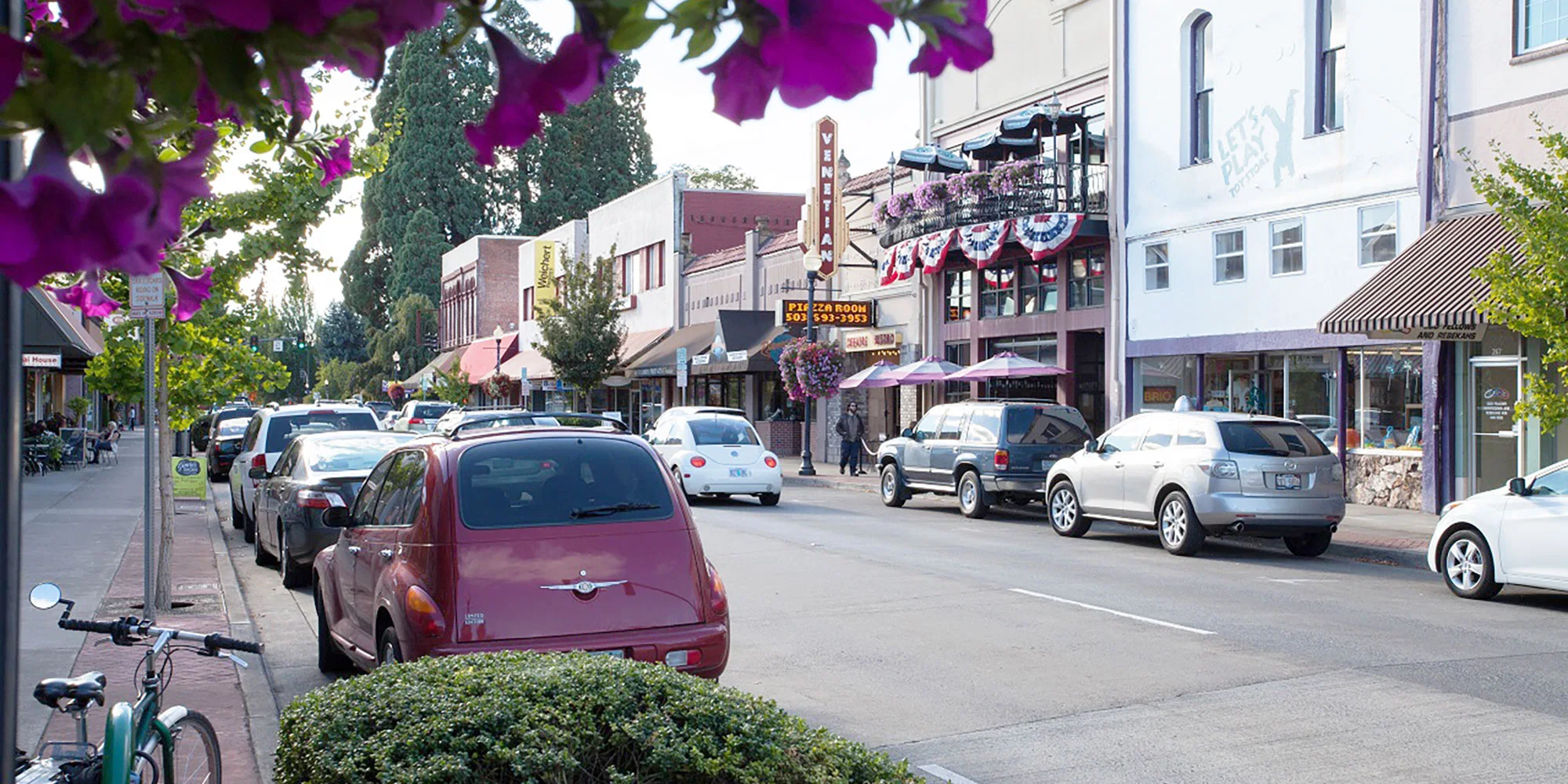
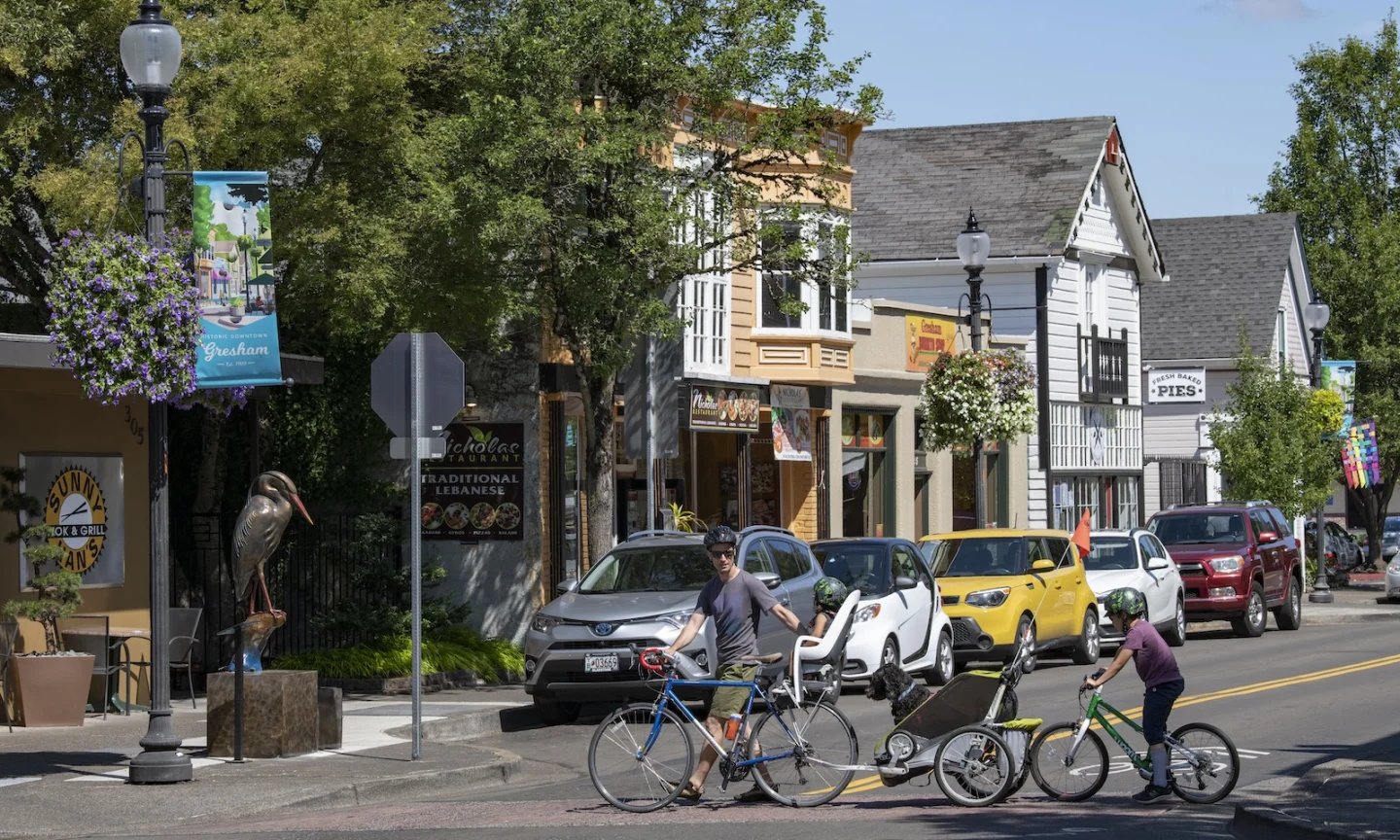
- Neighborhood retail along corridors such as Hawthorne, Alberta, and Sandy
- Columbia Corridor industrial near the airport and river
Using the Metro's Depth Inside the Three-Property Rule
A written identification can name up to three properties regardless of value, or more than three if their combined value stays under 200 percent of the relinquished property's value. In a market this deep, the constraint isn't finding candidates, it's narrowing a long list to the handful that actually clear title, lease, and lender review before Day 45.
Diligence That Matters Inside City Limits
Seismic and deferred-maintenance review carries more weight on Portland's older brick and unreinforced masonry buildings than in newer suburban construction, and zoning overlays vary enough by neighborhood that a use permitted on one block may not be permitted two blocks over. Confirming title, current leases, T12 financials, and the qualified intermediary's escrow instructions before identification keeps a wide search from turning into a late scramble.
When a Reverse Exchange Fits a Fast-Moving Listing
Because well-priced Central Eastside and close-in multifamily buildings can move quickly once listed, an investor sometimes finds the right replacement property before their own relinquished property has closed. A reverse exchange, structured through an exchange accommodation titleholder, lets that purchase happen first, with the sale of the relinquished property following on its own timeline, but the arrangement has to be documented with the qualified intermediary before any purchase agreement is signed rather than after the fact.
Reverse exchanges carry their own financing wrinkle: a lender is underwriting the new purchase before the taxpayer's sale proceeds exist, so bridge financing or all-cash capacity should be confirmed before relying on this structure in a competitive Portland listing environment.
Common 1031 Exchange Questions
Why is Portland's identification list often longer than in a suburban submarket?
The city's asset base spans industrial, office, multifamily, and retail across dozens of distinct corridors, so investors typically screen more candidates before narrowing to the three properties (or 200 percent value cap) allowed on a written identification.
Does older building stock in Portland create extra diligence steps?
Often yes. Seismic condition, deferred maintenance, and legacy environmental use are reviewed more closely on older brick and masonry buildings in the Central Eastside and close-in neighborhoods than on newer suburban construction.
Can office vacancy in the Lloyd District affect a replacement property purchase?
It can affect both pricing and lender underwriting. Elevated office vacancy in parts of the corridor means a lender may require stronger existing lease-up before finalizing loan terms on a replacement purchase.
Is close-in multifamily still a common 1031 replacement choice in Portland?
Yes. Building sizes from small four-plexes to mid-size apartment communities give an exchange flexibility to match a specific value target without stepping up into a much larger asset than the one sold.
What should be confirmed with the qualified intermediary before identifying a Portland property?
Confirm the exchange agreement and escrow instructions are in place, that the intermediary is holding the proceeds so the taxpayer avoids constructive receipt, and that any boot calculation questions have already gone to the taxpayer's own tax advisor.