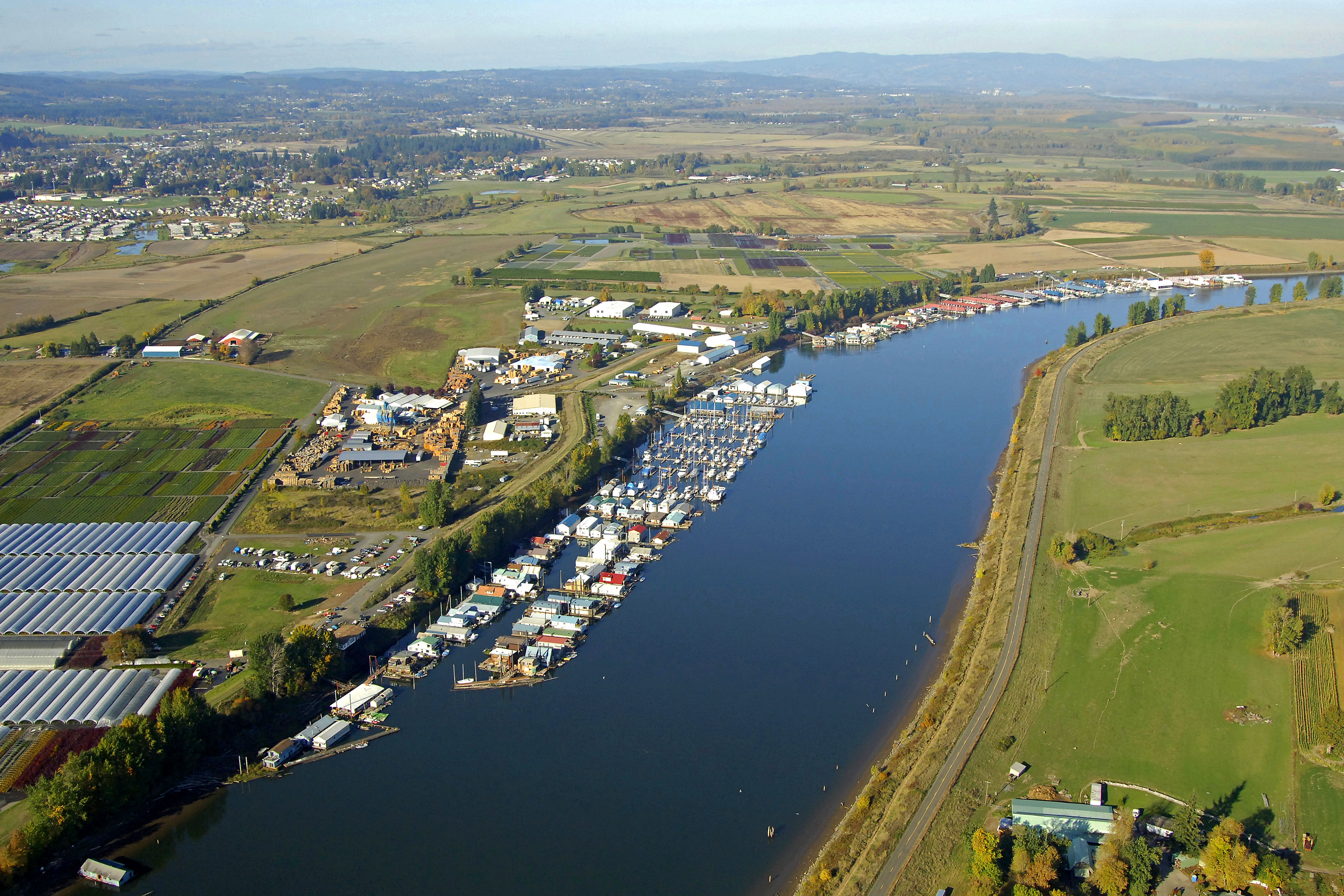
A reverse exchange flips the usual order: the replacement property closes first, held by an accommodation titleholder, while the relinquished property is still being marketed or sold. In a competitive submarket like Hillsboro industrial, that order can be the only way to secure a specific building.
Reverse exchanges cost more and carry more moving parts than a standard forward exchange, so they tend to get used selectively, when a specific opportunity justifies the added complexity rather than as a routine approach to every transaction.
Why a Reverse Exchange Gets Used in a Fast Market
When a specific replacement property becomes available and the relinquished property has not sold yet, waiting for a standard forward exchange means risking the deal to another buyer. Reverse exchange structures let an investor close on the replacement immediately while working the relinquished sale in parallel, which matters most in asset classes where good inventory does not sit on the market long.
Hillsboro's semiconductor-adjacent industrial buildings and hospital-adjacent medical office space are the two asset classes in the Portland area most likely to justify this structure, since both trade in genuinely short supply and a strong opportunity rarely waits for a seller to line up a buyer first.
How the Parking Arrangement Works
An exchange accommodation titleholder, a separate entity set up for this purpose, takes and holds title to either the replacement or the relinquished property for up to 180 days while the other side of the transaction is completed. The taxpayer does not hold both properties directly at the same time; the parking arrangement is what keeps the structure inside exchange rules rather than becoming two separate, unrelated transactions.
Setting up the titleholder entity itself takes time, since lenders, insurers, and title companies all need to review the arrangement before any closing happens; starting that setup as soon as a reverse structure looks likely, rather than after the replacement property is under contract, keeps the process from adding delay at the worst moment.
Coordination Checklist
Reverse exchanges carry more moving parts than a standard forward exchange and need tighter coordination.
- Confirm the accommodation titleholder entity is set up before the replacement closing, not after.
- Line up financing that a lender will make to the titleholder entity rather than the taxpayer directly.
- Set a target listing and closing timeline for the relinquished property within the 180-day limit.
- Coordinate insurance and property management under the titleholder entity during the parking period.
- Confirm identification requirements for the relinquished property if the rules require it in this structure.
Financing a Parked Property
Lenders willing to finance a property held by an accommodation titleholder are more limited than the general lending market, and terms are frequently less favorable than a standard purchase loan. Confirming financing availability before committing to a reverse structure, not after the replacement is already under contract, avoids finding out too late that the deal cannot be funded as structured.
Some investors avoid the financing question entirely by purchasing the parked property with cash and refinancing only after the structure unwinds, which trades a temporarily larger equity commitment for a simpler and faster closing on the replacement side.
Unwinding the Parking Structure
The exchange completes when the relinquished property sells and title moves out of the accommodation arrangement into the exchange's normal closing sequence, all within the 180-day window from the first closing. Missing that window because the relinquished sale is taking longer than expected is the primary risk in this structure, which is why realistic pricing and marketing on the relinquished side matter as much as the replacement search itself.
Once the relinquished sale closes, the exchange agreement, assignment documents, and title transfer records should all be gathered into one file for the CPA, since a reverse exchange generates more paperwork than a standard forward transaction and Form 8824 preparation depends on having it complete.
Investors who anticipate needing this structure more than once, for instance while consolidating several older properties over time, sometimes build a standing relationship with a QI experienced in reverse exchanges rather than shopping for a new provider each time the need comes up.
Common 1031 Exchange Questions
Does a reverse exchange cost more than a standard forward exchange?
Yes, setting up and maintaining the accommodation titleholder entity, along with the added legal and lender review, typically costs more than a standard exchange; that added cost is one reason investors reserve the structure for situations where it genuinely solves a timing problem.
When would you need a reverse exchange instead of a standard forward exchange?
When a strong replacement property is available now but the relinquished property has not sold yet, particularly in a fast-moving asset class like Hillsboro-area industrial where waiting risks losing the property to another buyer.
Who actually holds title to the replacement property during the parking period?
An exchange accommodation titleholder, a separate entity created specifically to hold title temporarily; the taxpayer does not hold direct title to both properties at once during the arrangement.
Can you get a loan on a property while it's held by the exchange accommodation titleholder?
Sometimes, but the pool of lenders comfortable with that structure is smaller than the general market, and terms are often less favorable; confirm financing before committing to the reverse structure.
How long can a property sit with the accommodation titleholder before it becomes a problem?
The structure generally has to be completed within 180 days of the first closing; missing that deadline is the central risk, so realistic timing on the relinquished-property sale matters from day one.