Gladstone sits along the Clackamas River between Oregon City and Milwaukie, and its commercial base along Highway 99E is small enough that most exchanges here run on the three-property rule alone rather than the value-based alternatives used in larger submarkets.
A River Town Inside Clackamas County
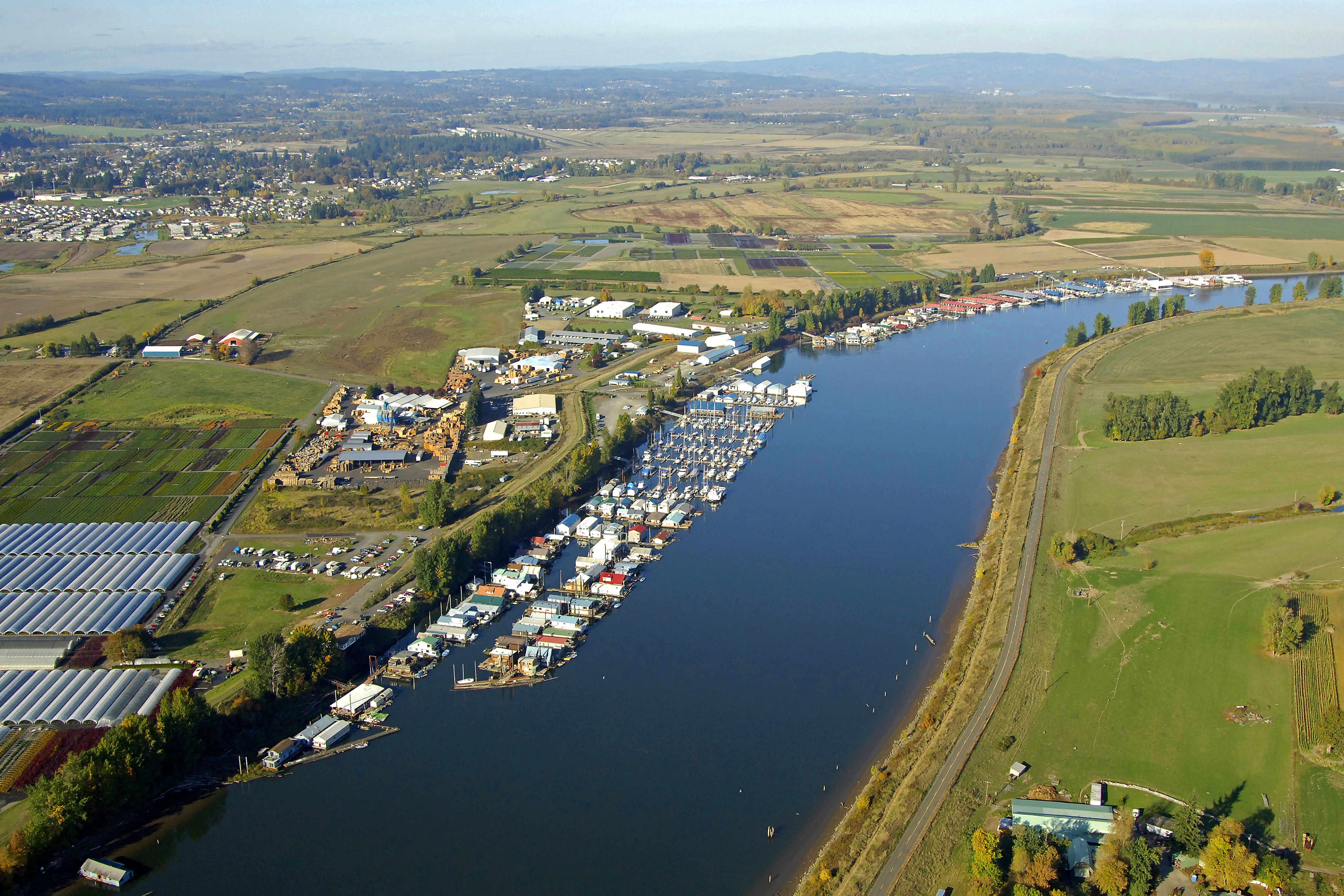
Gladstone's commercial stock is concentrated along the 99E corridor and near the confluence of the Clackamas and Willamette rivers, with a mix of small retail, service, and older industrial buildings rather than a large shopping center or office park. Proximity to Oregon City and Milwaukie means most sellers already think of their search area as three cities rather than one.
River-adjacent parcels can carry floodplain or environmental overlays worth flagging early, since they can affect both financing and the timeline for closing a replacement purchase.
Gladstone's small footprint also means the town has no large employer of its own; commercial demand instead follows population and traffic passing through on 99E toward Oregon City, which keeps most buildings service- or convenience-oriented rather than destination retail.
Modest Commercial Stock Along 99E
The realistic Gladstone identification list is short and grounded in what actually exists nearby.
- Small retail or service buildings along Highway 99E
- Older light industrial buildings near the river confluence
- Single-tenant buildings serving the immediate Gladstone-Oregon City area
- Small multifamily property in a comparable price range
- A DST allocation when local inventory cannot absorb the sale proceeds
Making the 200% and 95% Tests Work at Small Scale
Because Gladstone deal sizes are modest, sellers rarely need the 200% or 95% rules, but they matter more when a Gladstone seller wants to split proceeds across two or three smaller buildings instead of one larger replacement. In that case, keeping the combined identified value under twice the relinquished sale price avoids triggering the stricter 95%-close requirement.
Coordinating Lender and QI Timing
Any floodplain or environmental review on a river-adjacent Gladstone or Oregon City replacement property should start the moment it lands on the identification list, since that review can take longer than a standard commercial appraisal and eat into the 180-day window if left until later. The qualified intermediary should have the exchange agreement executed before the relinquished property closes, not after.
Boot risk in Gladstone exchanges usually comes from debt mismatch rather than cash taken out, since older river-adjacent buildings sometimes carry smaller loan balances than newer product elsewhere in the county.
Because local title and escrow providers in a town this size may handle exchange closings infrequently, it helps to confirm early that the settlement statement will route proceeds to the qualified intermediary correctly, rather than assuming every closing officer in the area is equally familiar with exchange mechanics.
Gladstone as a Backup Candidate
Investors selling elsewhere in Clackamas County sometimes add a Gladstone property to their own identification list as a lower-cost backup, given its proximity to both Oregon City and Milwaukie and its typically smaller purchase price relative to those submarkets.
That lower price point can also help a seller who needs to absorb excess proceeds without taking on more debt than the relinquished property carried, since a smaller Gladstone building requires a smaller replacement loan to satisfy the debt-replacement side of the exchange.
Common 1031 Exchange Questions
Is Gladstone too small a market to complete a 1031 exchange inside 45 days?
No. The identification deadline is the same regardless of market size, and Gladstone's proximity to Oregon City and Milwaukie means sellers typically have enough realistic candidates within a short drive to build a valid list.
What if a Gladstone replacement property needs floodplain or environmental review?
That review should start as soon as the property is identified, since it can take longer than a standard appraisal. Building extra time into the 180-day schedule for river-adjacent parcels is standard practice in this submarket.
Can a Gladstone seller combine a DST position with a direct property purchase?
Yes, a DST interest can sit on the same identification list as a direct Gladstone or Oregon City property, which is a common way to absorb excess proceeds when local inventory is limited.
Who is responsible for constructive receipt risk at closing on a Gladstone exchange?
The qualified intermediary controls the exchange funds throughout, and the seller and their escrow officer need to make sure closing instructions never route proceeds directly to the seller, even briefly, since that would break the deferral.
What happens if the Gladstone relinquished property closes before a replacement is identified?
The 45-day identification clock starts on that closing date regardless of whether a replacement has been chosen yet, which is why most advisors recommend having at least a preliminary list ready before the relinquished sale closes.
How does a Gladstone exchange handle a lender who is unfamiliar with 1031 timelines?
The qualified intermediary can walk a smaller or regional lender through the closing sequence, but it still helps to confirm early that the lender understands the funds will arrive from the QI's exchange account rather than directly from the seller, so the loan documents are drafted correctly the first time.
Can a Gladstone seller identify a property in Oregon City on the same list?
Yes, the identification list is not limited by city boundaries, and combining Gladstone and Oregon City candidates on one list is a common way to keep options open in a small, closely connected submarket.