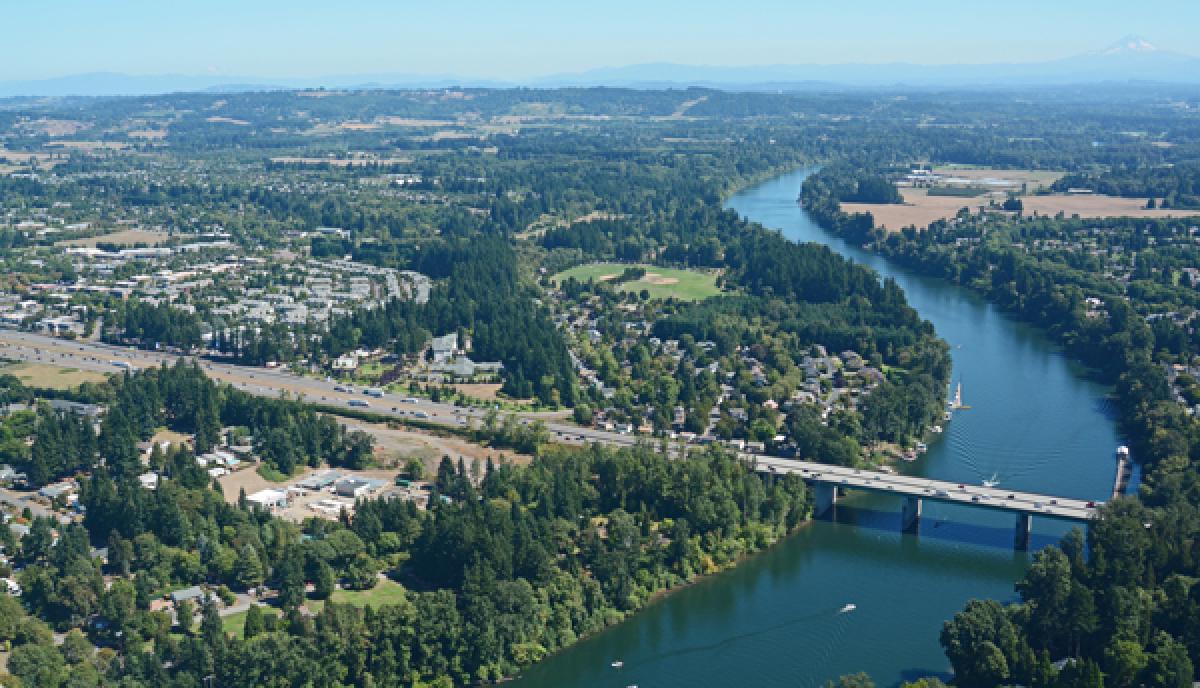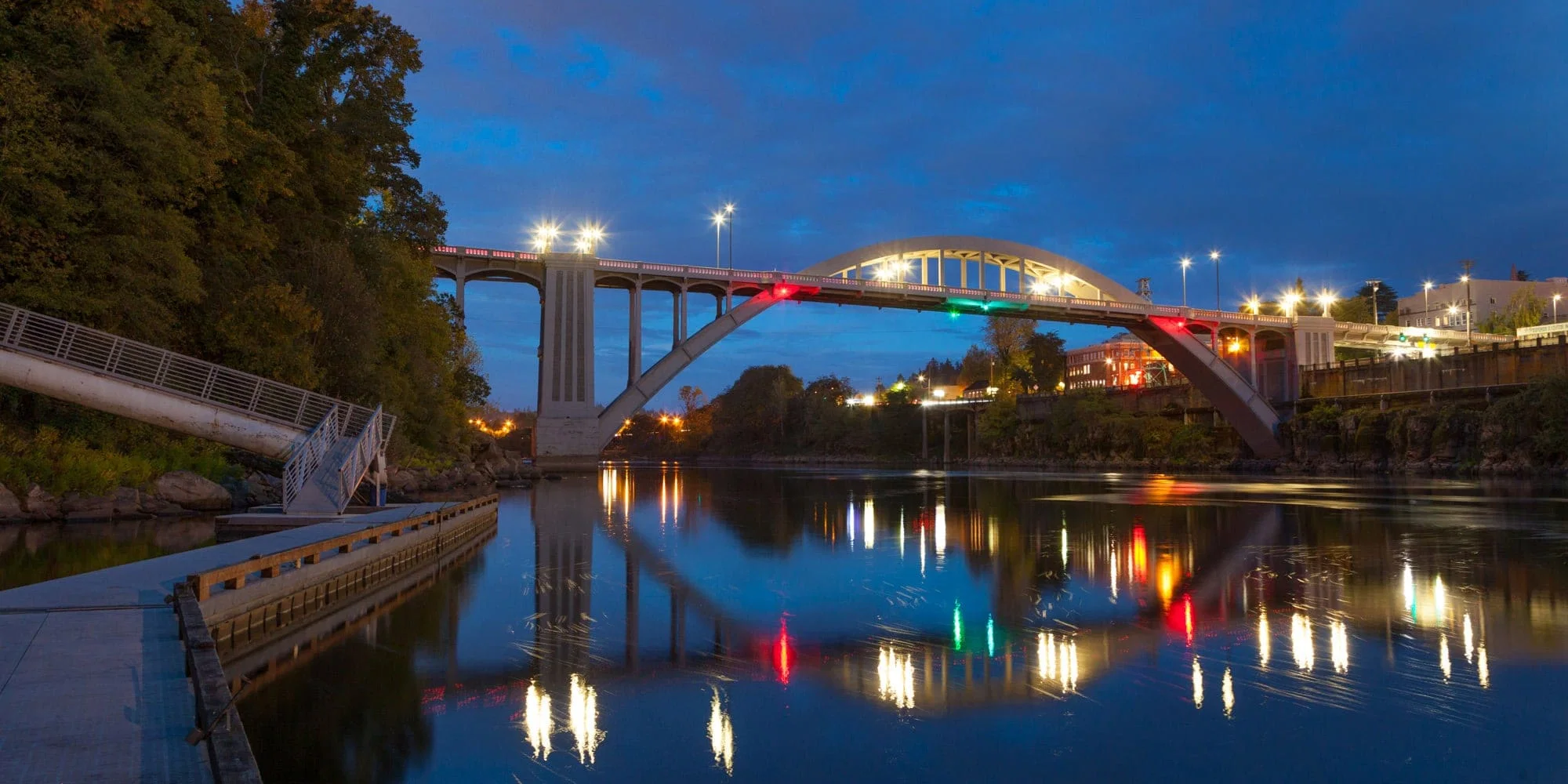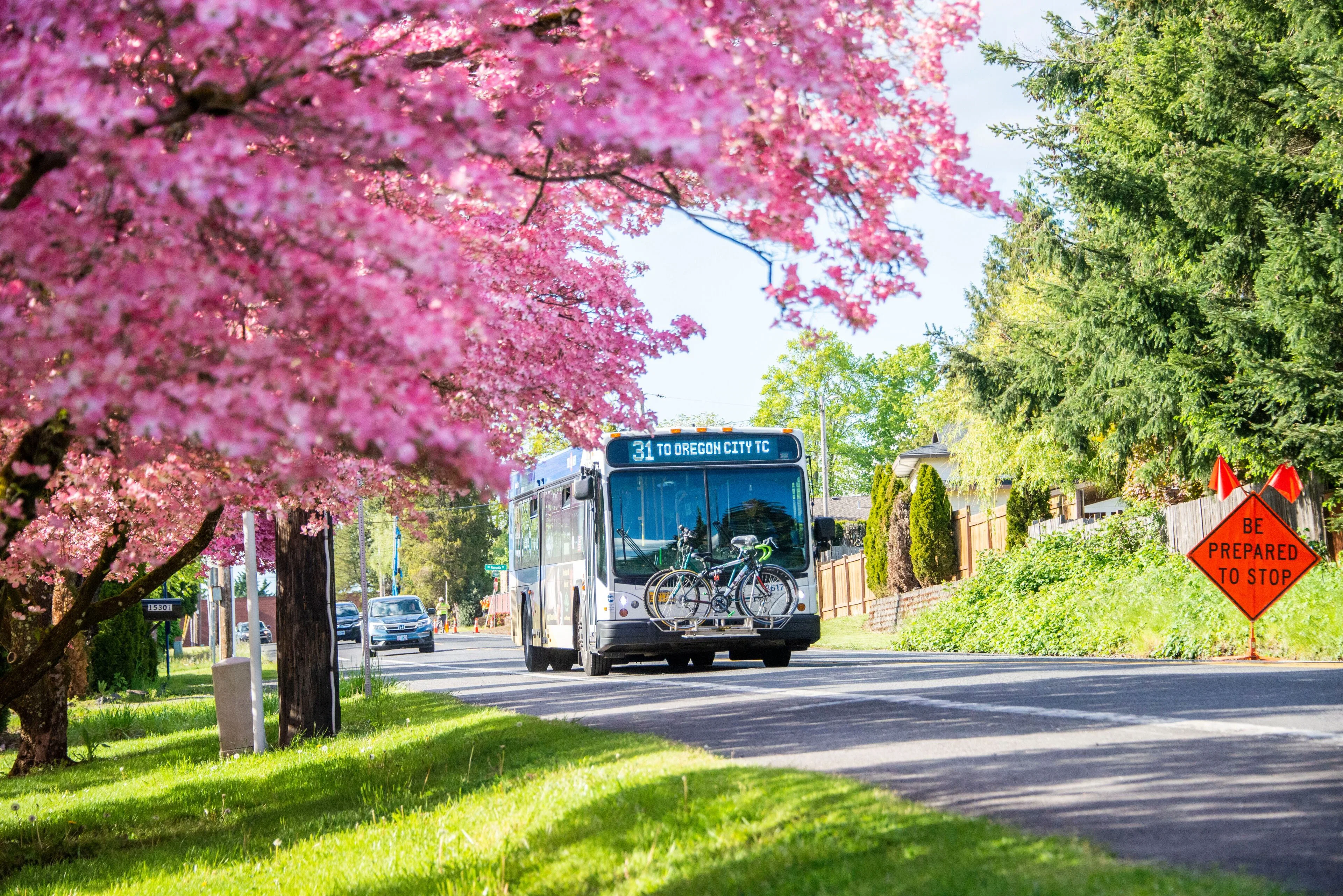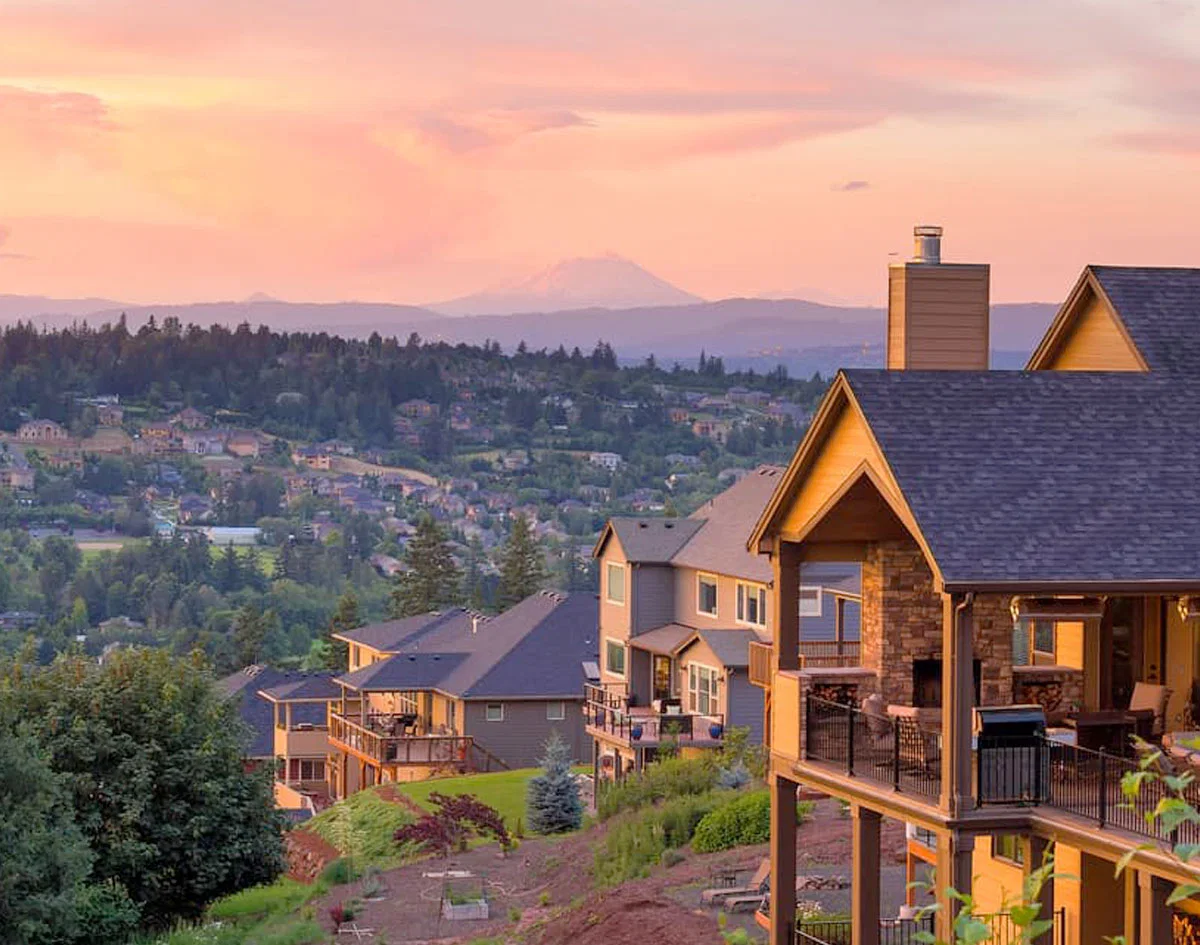
Oregon City is the Clackamas County seat, built on the bluffs above Willamette Falls, and its commercial base runs along two corridors: McLoughlin Boulevard (Highway 99E) and the I-205 interchange area. A 1031 exchange landing here has to account for a county government tenant base and a legacy industrial waterfront that is mid-redevelopment.
Reading the McLoughlin and I-205 Corridors
McLoughlin Boulevard carries the bulk of Oregon City's retail and service commercial space, running north toward Milwaukie and south toward Canby. It is a highway-commercial pattern of standalone retail, auto-service uses, and small multi-tenant centers rather than a walkable downtown retail core.
Near I-205, office and light-industrial buildings serve both Clackamas Community College's presence in the area and general county institutional and administrative tenants, which gives this submarket a steadier, lower-turnover tenant base than a pure retail corridor.
The Willamette Falls Legacy Site
The former paper-mill property along Willamette Falls has been moving through a long redevelopment process, and investors tracking Oregon City replacement property should treat that site as a multi-year watch item rather than a near-term acquisition target. In the meantime, industrial and flex space elsewhere in the city continues to carry the local blue-collar tenant base.
Matching Replacement Value and Debt
Full deferral in an Oregon City exchange requires replacement value equal to or greater than the relinquished property's sale price, and replacement debt equal to or greater than the debt paid off at closing, or the taxpayer recognizes boot on the shortfall. Because assets here range from small McLoughlin retail pads to larger I-205 office buildings, the value spread inside one submarket is wide enough to hit most targets without leaving the county.
- Retail pads along McLoughlin Boulevard
- Office buildings near the I-205 interchange
- Light-industrial and flex space in the Beavercreek Road area
- Multifamily near the historic downtown bluff
- Land positioned for eventual Willamette Falls-area redevelopment
Using the Three-Property and 200 Percent Rules Locally
An identification here can name up to three properties regardless of value, or more than three if their combined value doesn't exceed 200 percent of the relinquished property's value. Given the range between small retail pads and larger office buildings, that second option lets an investor build a shortlist spanning both ends of the local market without burning all three standard slots on similarly priced assets.
What to Confirm Before Day 45
Before an Oregon City property is added to a written identification, confirm current leases and rent rolls with the seller, review T12 financials on any income property, and check that the qualified intermediary's exchange agreement and escrow instructions are already in place. County-adjacent office tenants sometimes carry long-term leases with government renewal options, which changes how a lender and a tax advisor will each view the asset's income durability.
Timing a Sale Around the Redevelopment Calendar
Because the Willamette Falls legacy site is still working through a multi-year redevelopment process, an investor who owns property near that corridor and is weighing whether to sell now or wait should treat the exchange deadline as fixed regardless of what happens at the mill site. The 45-day and 180-day clocks start the day the relinquished property closes, not when a nearby redevelopment milestone is reached.
That means a seller shouldn't delay closing in hopes of a nearby announcement improving value, since doing so only shortens the runway available for sourcing replacement property once the sale does happen. A cleaner approach is to close on the seller's own schedule and treat any redevelopment upside as a factor in comparing Oregon City against other Clackamas County submarkets during identification.
Common 1031 Exchange Questions
Is the Willamette Falls legacy site available as 1031 replacement property right now?
Portions of the former mill site have moved through redevelopment planning over several years, and availability changes as parcels are entitled and brought to market, so any interest there should be confirmed directly with current ownership rather than assumed.
Why does Oregon City have both small retail and larger office assets in the same exchange market?
The city combines a highway-commercial retail corridor along McLoughlin Boulevard with an I-205 office and institutional node tied to county government and Clackamas Community College, so the value range across the submarket is wider than in a single-use market.
Does a government or institutional tenant change how a 1031 replacement property is evaluated?
It can. Government and college-adjacent leases sometimes carry longer terms and renewal options, which changes income durability compared with a standard retail or industrial lease, and that difference is worth reviewing with a tax advisor and lender before identification.
Can an investor combine a McLoughlin retail pad and an I-205 office building on one identification?
Yes. A written identification can name up to three properties without regard to value, so combining a smaller retail pad with a larger office asset is a common way to reach equal-or-greater value across two different property types.
What is the qualified intermediary's role in an Oregon City exchange?
The qualified intermediary holds the exchange proceeds so the taxpayer never has constructive receipt of the funds, prepares the required exchange documents, and coordinates timing with escrow, but does not give tax advice, which stays with the taxpayer's own advisor.
Are older Oregon City buildings subject to extra seismic review before closing?
Many buildings in the historic downtown and older McLoughlin corridor predate current seismic codes, so a lender or buyer's engineer may request a seismic assessment as part of standard due diligence, which should be scheduled early enough to avoid delaying the 180-day close.