Milwaukie sits along the Willamette River just southeast of Portland's close-in core, and its commercial base along Highway 99E and the Trolley Trail carries a mix of legacy industrial buildings and newer retail development, which shapes identification differently than it would in a purely residential-driven suburb.
A Close-In River Town
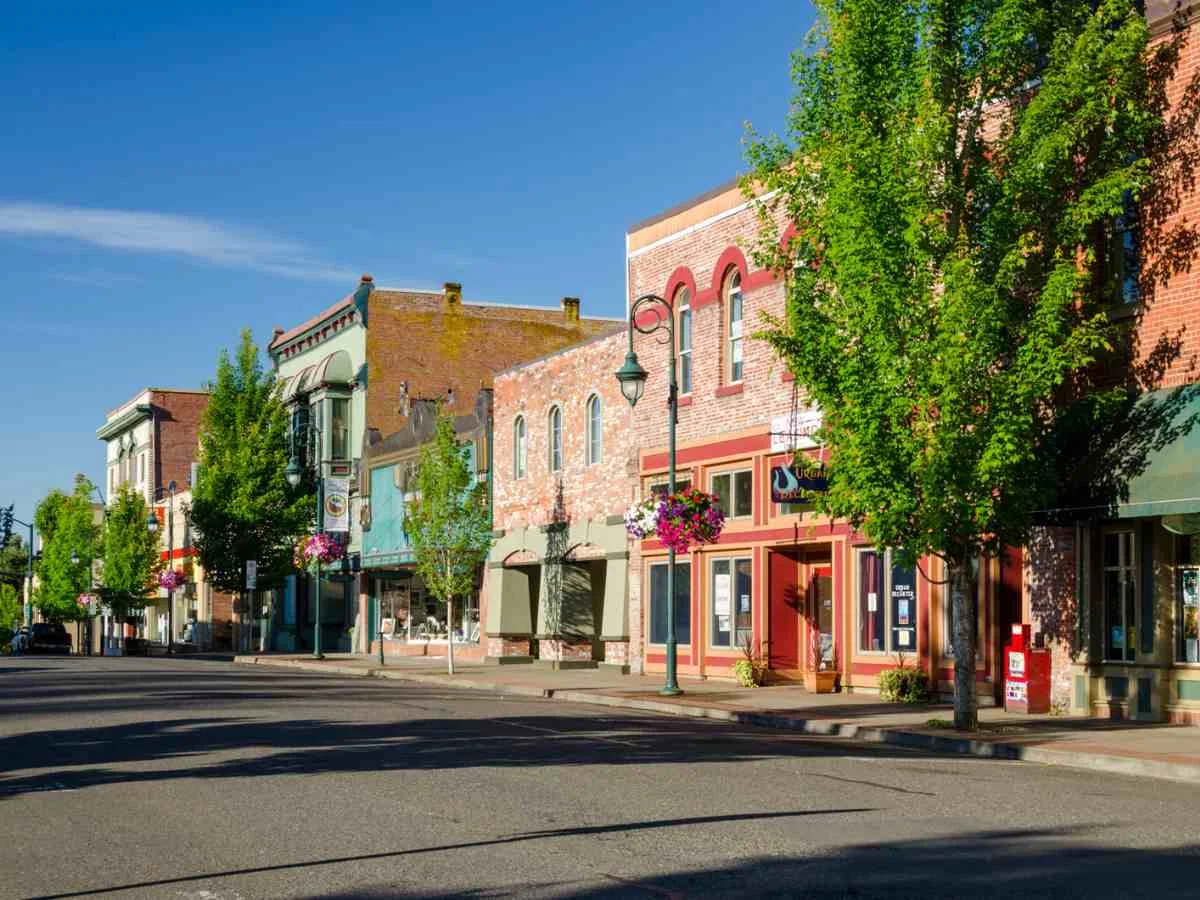
Milwaukie's historic downtown and the Kellogg Creek area sit close to former industrial river frontage, some of it tied to prior heavy manufacturing use, while newer retail and mixed-use development has filled in along the 99E corridor in recent years. That mix means identification lists here often span very different building ages and conditions within a short distance of one another.
Sellers exchanging out of Milwaukie property are frequently weighing whether to stay in older, established industrial stock or move toward newer, lower-maintenance retail construction.
The Trolley Trail and the Milwaukie MAX Orange Line station have supported a modest wave of newer mixed-use development near downtown, giving the city a second, more recently built commercial pool alongside its older river-frontage industrial stock.
Industrial Legacy and Emerging Retail
A realistic Milwaukie identification list typically includes a mix of legacy and newer property types, and sellers often narrow that list once environmental and financing timelines on the older candidates become clearer.
- Older industrial or warehouse buildings near the river frontage
- Newer retail or mixed-use buildings along the 99E corridor
- Small office or service buildings near downtown Milwaukie
- Small multifamily property in a comparable price range
- A DST allocation if local inventory cannot absorb the full sale proceeds
Rule Mechanics for River-Frontage Property
Most Milwaukie exchanges fit inside the three-property rule, though a seller comparing an older industrial building against newer retail candidates sometimes uses the 200% rule to keep both options open until financing and environmental review clarify which one will actually close. Like-kind treatment covers the move from industrial to retail without issue, since both are real property held for investment.
Environmental and Lender Diligence on Older Stock
Older river-frontage industrial buildings in Milwaukie should get a Phase I environmental review started as soon as they land on the identification list, given the area's manufacturing history, since additional testing can extend closing timelines if contamination concerns surface. Lenders financing that older stock will often want that environmental work completed before finalizing loan terms, which is another reason to start early rather than after day 45.
Boot risk should be checked on both ends of the identification list, since an older industrial building may carry a smaller loan balance than a newer retail property, changing the debt-replacement math depending on which candidate ultimately closes.
Milwaukie Inside a Close-In Search
Sellers who cannot resolve environmental questions on Milwaukie's older stock in time sometimes shift the search toward Gladstone for similarly scaled river-adjacent property, or toward newer construction further into Clackamas County if a faster, cleaner closing matters more than staying in the immediate submarket.
Staying inside Milwaukie itself and simply choosing the newer Trolley Trail-area product over the older river-frontage stock is another common way to sidestep environmental review timelines without leaving the submarket the seller already knows.
Common 1031 Exchange Questions
Does older Milwaukie industrial stock require different environmental diligence?
Yes, buildings near the river frontage with a history of manufacturing use typically warrant a Phase I environmental site assessment early in the identification process, since additional testing can extend the closing timeline if issues surface.
Can a Milwaukie owner exchange out of an older industrial building into newer retail construction?
Yes, both qualify as like-kind real property held for investment. The practical considerations are financing terms, environmental review timing, and whether the income profile of newer retail matches the seller's goals better than the industrial asset did.
What if the Milwaukie relinquished property has legacy environmental issues of its own?
Environmental concerns on the relinquished property are typically addressed during its own sale process and do not extend the 45-day or 180-day exchange deadlines, though they can affect the sale price and therefore the exchange proceeds available to reinvest.
How does the 180-day period interact with a slow environmental review on a Milwaukie replacement candidate?
The 180-day deadline does not extend for environmental review delays, which is why advisors recommend starting Phase I assessments on older Milwaukie industrial candidates as soon as they are identified, not after the list is finalized.
What happens if the qualified intermediary account is not funded correctly at closing?
If sale proceeds are not properly routed to the qualified intermediary at the relinquished property's closing, the exchange can fail entirely, which is why escrow instructions should be confirmed with the QI well before the closing date, not on the day of.
Does newer Trolley Trail-area development underwrite differently than older river-frontage stock?
Yes, newer mixed-use buildings near the Milwaukie MAX station typically move through lender review faster since they carry less environmental and deferred-maintenance risk than older industrial parcels near the river, even though both sit inside the same submarket.
Can a Milwaukie seller identify both an older industrial candidate and a newer retail candidate?
Yes, mixing property types on one identification list is common here specifically because the submarket has two distinct pools of inventory, letting the seller decide which one to close on once financing and diligence are further along and environmental questions are resolved.