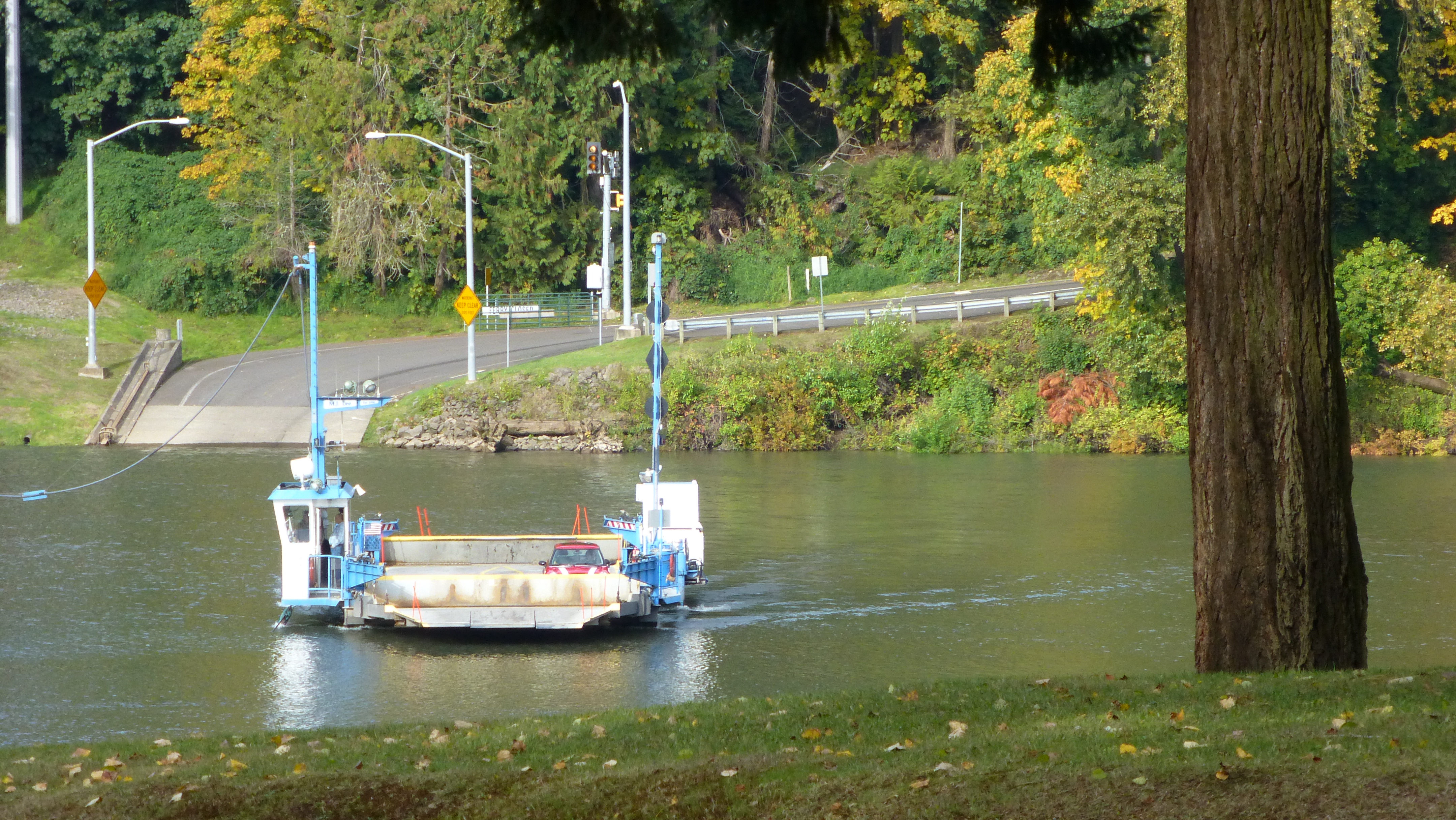
Forest Grove sits at the western edge of Washington County, past Hillsboro's tech corridor and closer to Tualatin Valley wine country than to the Portland core, which puts a different set of replacement property options in front of sellers here than in the denser eastern part of the county.
Washington County's Western Edge
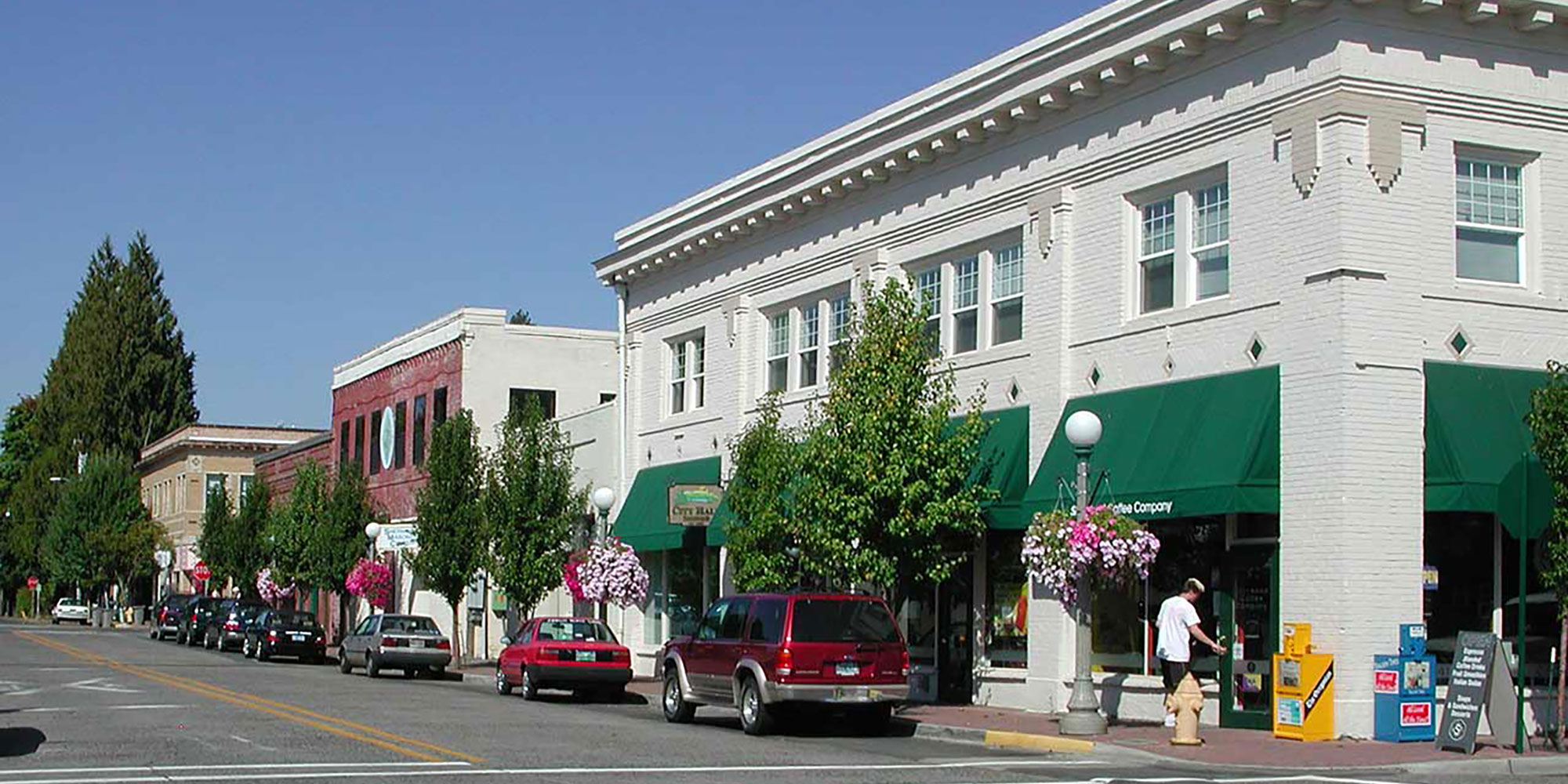
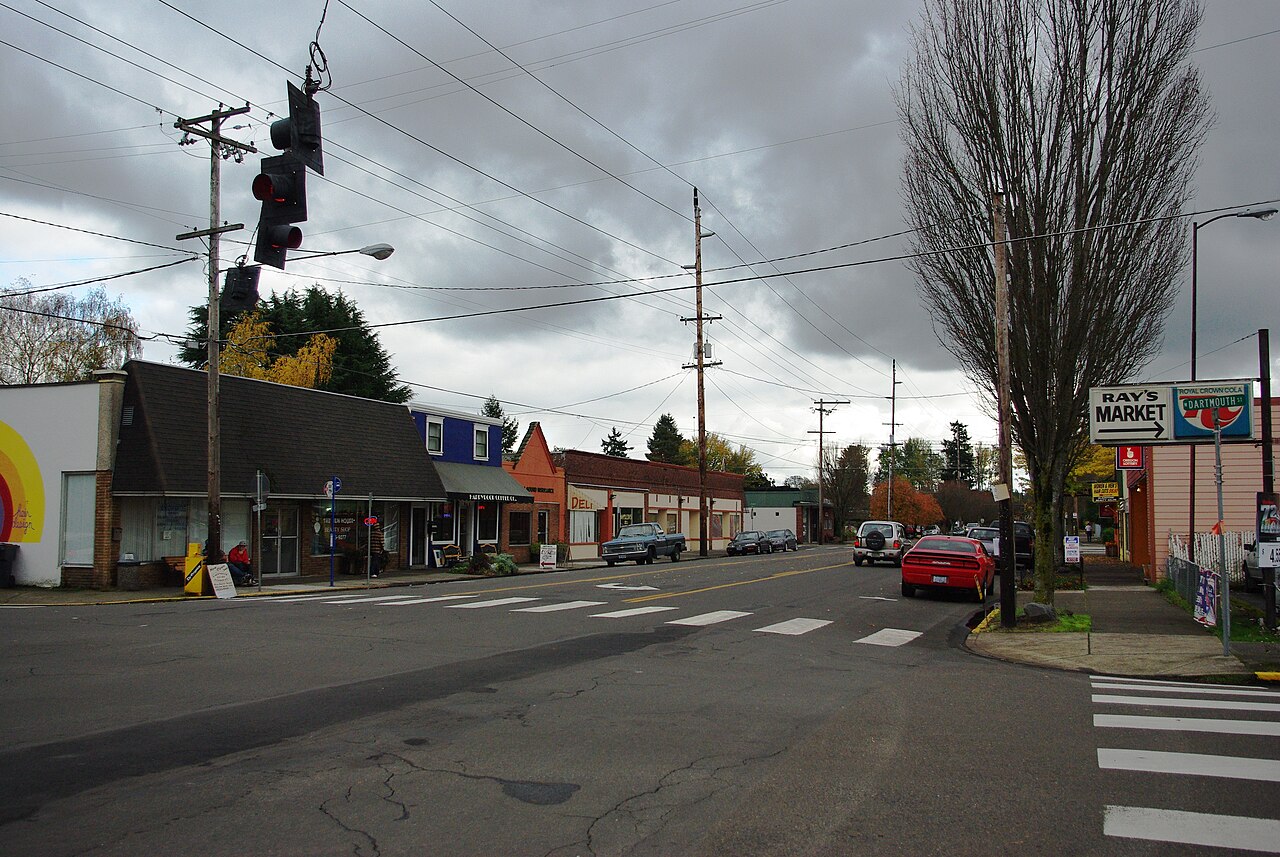
Pacific University and a small historic downtown anchor Forest Grove's commercial base, alongside agricultural service businesses and light industrial buildings that support the surrounding vineyard and farm economy along Highway 47. Commercial inventory is smaller and turns over less often than in Hillsboro or Beaverton.
Sellers exchanging out of Forest Grove property often weigh whether to stay in the same rural-adjacent submarket or move proceeds toward the denser, faster-turning inventory closer to Hillsboro.
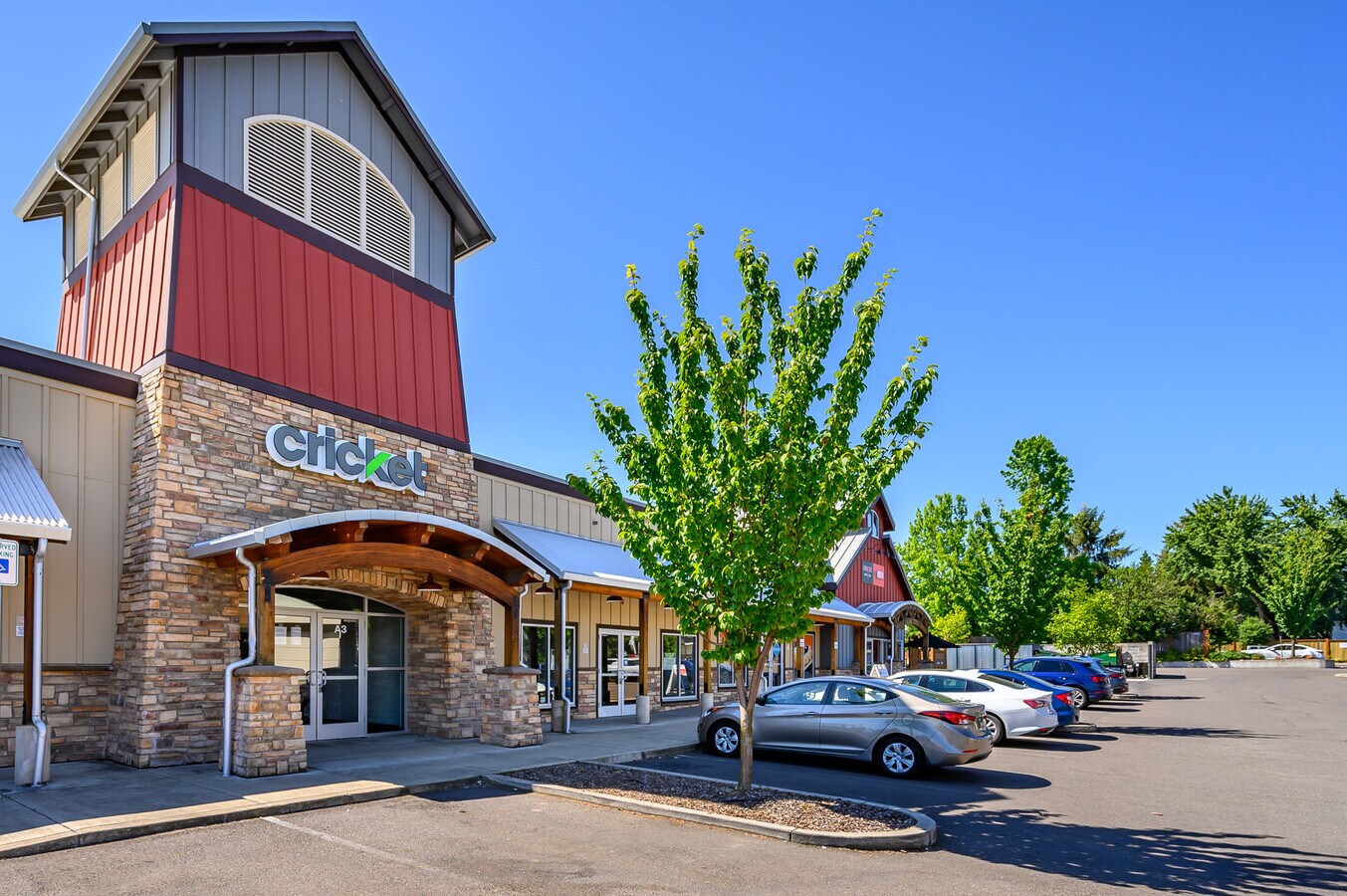
The university's presence supports a small band of student-oriented retail and rental housing near campus, which behaves differently from the agricultural service buildings further out along Highway 47, giving Forest Grove two distinct pools of commercial property rather than one uniform market.
Property Stock Near Pacific University
The realistic identification list for a Forest Grove seller draws from a modest set of local categories.
- Small retail or service buildings near the historic downtown core
- Agricultural service or light industrial buildings along Highway 47
- Single-tenant buildings serving the Pacific University area
- Small multifamily property in the same price range
- A DST allocation if local inventory cannot absorb the full sale proceeds
Rule Mechanics for Rural-Adjacent Assets
The three-property rule generally fits Forest Grove deal sizes without needing the 200% or 95% alternatives, though sellers widening their search toward Hillsboro or Beaverton sometimes use the 200% rule to keep more than three candidates in play across a broader price range. Like-kind treatment applies to any real property held for investment, so a move from a Forest Grove retail building into an industrial or multifamily property elsewhere in Washington County does not raise like-kind concerns on its own.
Title and Advisor Coordination
Rural-adjacent parcels can carry title complications, such as easements or agricultural zoning overlays, that take longer to clear than a straightforward urban commercial parcel, so title work should begin as soon as a Forest Grove property lands on the identification list rather than after it is finalized. The qualified intermediary's exchange agreement and the lender's term sheet should both be lined up in parallel with that title review.
Boot exposure should be checked early too, since a Forest Grove seller moving into a higher-priced Hillsboro asset may need to bring additional cash to avoid a debt-replacement shortfall.
A seller staying within Forest Grove or Cornelius instead should still confirm whether any easement or right-of-way tied to adjacent farmland could affect financing, since rural-adjacent title issues are not limited to properties actually zoned agricultural.
Comparing Forest Grove to Closer-In Submarkets
Investors who cannot fill their identification list locally often look toward Hillsboro for larger industrial and office stock or stay within Forest Grove and Cornelius for similarly scaled agricultural-adjacent commercial property, depending on whether they want to reduce management intensity or maintain it.
That choice usually comes down to whether the seller wants the higher price point and faster turnover of Hillsboro or the lower basis and slower pace that Forest Grove and Cornelius still offer.
Common 1031 Exchange Questions
Does Forest Grove's distance from Portland affect exchange financing timelines?
It can add time to appraisal and title work on rural-adjacent parcels, so lender preflight and title review should start earlier than they would for a closer-in Washington County property, but the 45-day and 180-day deadlines themselves do not change.
Can vineyard-adjacent commercial property near Forest Grove qualify as like-kind replacement?
Generally yes, since real property held for investment is like-kind to other real property held for investment. The bigger question for most sellers is whether that property fits their income and management goals, not whether it qualifies.
What happens if a lender rejects financing on a Forest Grove replacement property mid-exchange?
If another property remains on the identification list, or if the 200% or 95% rule leaves room for a substitute, the investor can pivot to a different candidate as long as the purchase still closes inside 180 days.
How many properties can be identified under the 95% rule for a Forest Grove exchange?
There is no cap on the number identified, but if the combined value of everything on the list exceeds 200% of the relinquished property's sale price, the investor must actually close on at least 95% of that total identified value.
What records does Form 8824 require after a Forest Grove exchange closes?
The form documents the relinquished and replacement property descriptions, dates, and value calculations, including any boot received. The seller's tax advisor typically prepares it using the closing statements and the qualified intermediary's exchange summary.
Does Pacific University's presence affect demand for nearby Forest Grove commercial property?
It can support steady demand for student-oriented retail and rental housing near campus, but a seller should still evaluate that demand against the more agricultural-service commercial stock further out along Highway 47 rather than assuming uniform performance across the city.
Should a Forest Grove seller expect the same closing pace as a Hillsboro deal?
Not necessarily. Rural-adjacent title and appraisal work can take longer here, so building extra time into the 180-day schedule is a reasonable precaution even when the identification list itself is straightforward.