Sherwood sits in southwest Washington County along Highway 99W and the Tualatin-Sherwood Road corridor, between Tualatin and Newberg. A replacement property search here runs on the same 45-day and 180-day clocks as anywhere else, but Sherwood's mix of historic Old Town retail and newer light-industrial land gives an investor two distinct asset types to weigh inside one small city.
Old Town Sherwood and the 99W Retail Corridor
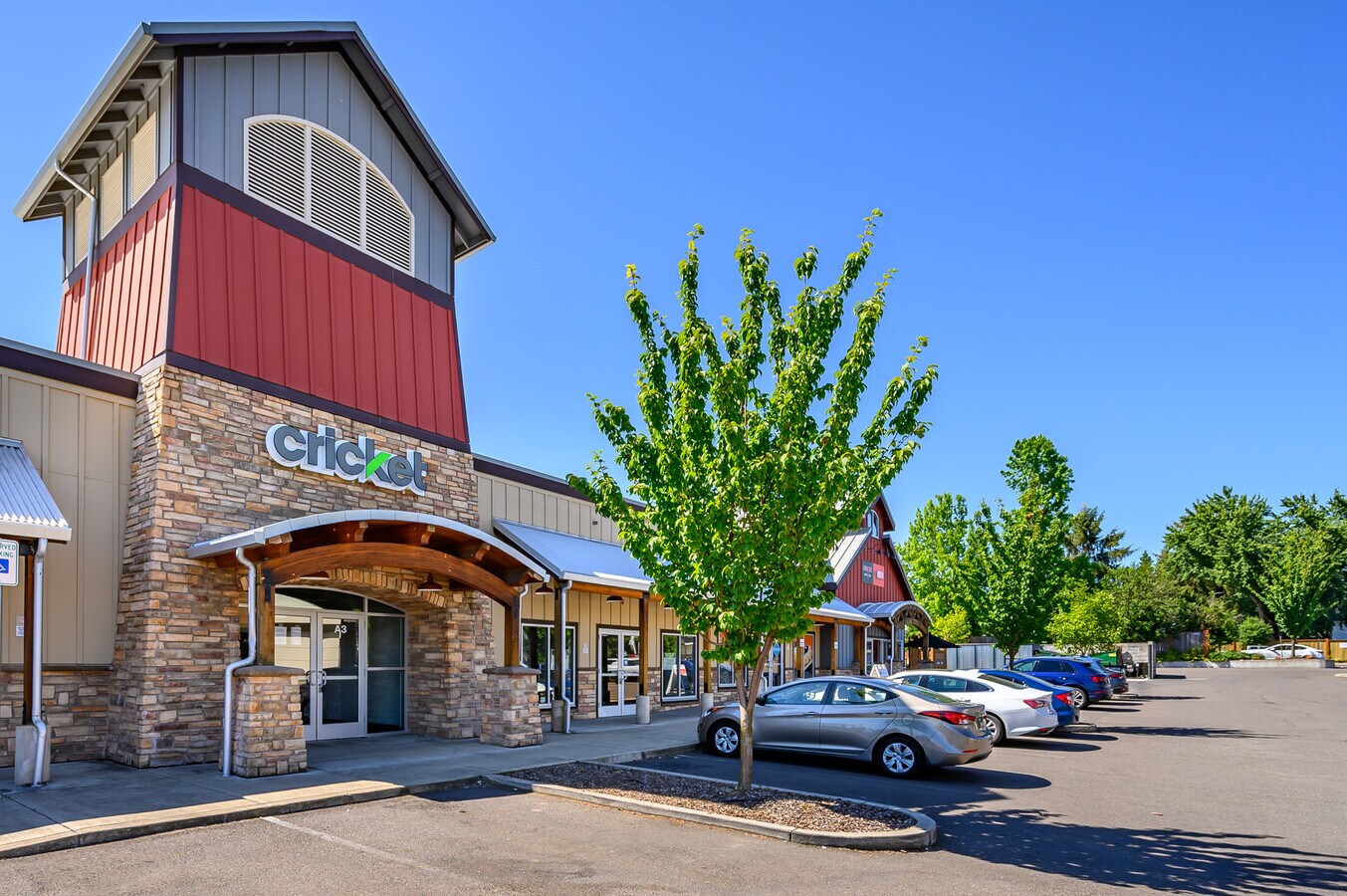
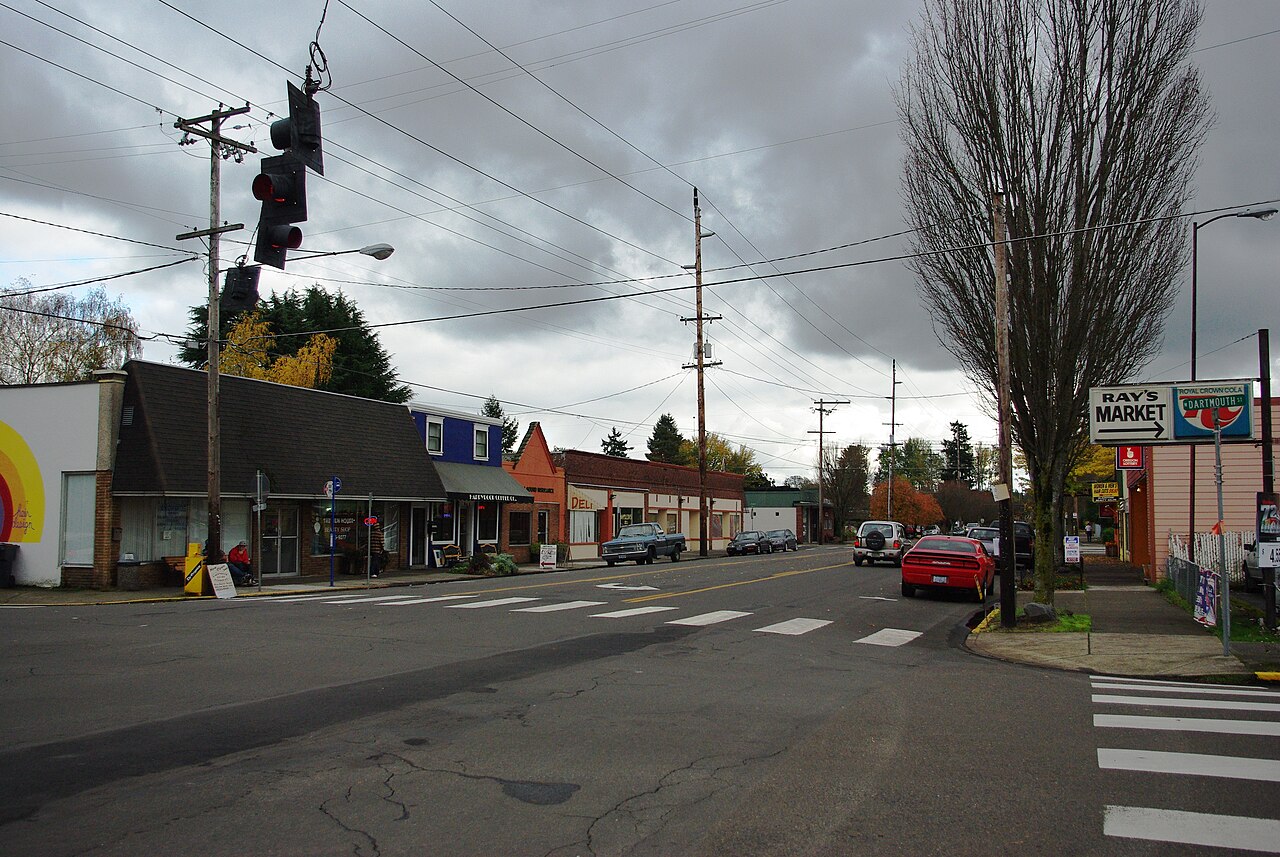
Old Town Sherwood carries small storefront retail and service space in a historic district setting, while the Highway 99W corridor itself holds larger-format retail centers built to serve residential growth on the city's edges. These two retail types trade differently: Old Town parcels are smaller and slower to turn over, while 99W centers see more institutional buyer interest.
The Sherwood Industrial Area, off Oregon Street and Sunset Boulevard, adds a light-industrial and flex component that isn't always obvious from the city's residential reputation, serving contractors, distribution, and light manufacturing tenants.
Matching Value Between Two Different Retail Types
Full deferral requires replacement value equal to or greater than the relinquished property's sale price and replacement debt equal to or greater than the debt retired at closing. Because Old Town and 99W-corridor retail carry different price points per square foot, an investor selling a single larger asset may need to combine a 99W center with a smaller Old Town parcel, or look toward the Sherwood Industrial Area, to reach the target value.
- Old Town Sherwood storefront and mixed-use retail
- Highway 99W retail centers and pads
- Light-industrial and flex space in the Sherwood Industrial Area
- Small multifamily near the historic core
- Land near the Tualatin River National Wildlife Refuge edge, subject to buffer review
Using the Three-Property Rule in a Two-Corridor Market
A written identification can name up to three properties without regard to value, or more than three if the combined value stays under 200 percent of the relinquished property's value. In Sherwood, that flexibility is useful for pairing an Old Town retail parcel with a 99W-corridor asset on the same identification, rather than treating the two retail types as competing options.
Checking Proximity to Protected Land
Because Sherwood borders the Tualatin River National Wildlife Refuge, any parcel near the refuge boundary should be checked for buffer or development restrictions before it goes on a written identification. That review sits alongside the standard checks on leases, T12 financials, and title that apply to any replacement property in the metro.
Coordinating the Close
Before Day 45, confirm the qualified intermediary's exchange agreement and escrow instructions are in place, and route any boot or basis questions to the taxpayer's own tax advisor rather than assuming the numbers will work themselves out at closing. Lender terms on Sherwood Industrial Area buildings should also be pre-flighted, since flex and light-industrial collateral can underwrite differently than retail.
Reverse Exchange Timing When Local Inventory Is Slow
If a strong Sherwood replacement candidate comes to market before the relinquished property has closed, a reverse exchange lets the taxpayer acquire that property first through an exchange accommodation titleholder, then sell the relinquished property afterward, rather than risk losing the deal while waiting on the standard sequence. This structure still runs on its own strict timing rules and needs to be set up with the qualified intermediary before any purchase agreement is signed, not after.
A reverse exchange also adds financing complexity, since a lender is underwriting a purchase before the taxpayer's sale proceeds are confirmed, so lining up bridge financing or confirming the accommodation titleholder's funding structure early matters more in Sherwood's smaller inventory than it would in a deeper Portland-core market.
Common 1031 Exchange Questions
Does Sherwood's Old Town retail trade differently from Highway 99W retail centers?
Yes. Old Town Sherwood parcels are typically smaller storefronts in a historic district with slower turnover, while 99W corridor centers are larger-format retail that sees more institutional buyer interest, and the two are usually evaluated separately even within the same city.
Is there industrial or flex space available in Sherwood?
Yes, in the Sherwood Industrial Area off Oregon Street and Sunset Boulevard, which serves contractors, distribution, and light manufacturing tenants rather than the residential-focused image the city is often known for.
How close can a replacement property be to the Tualatin River National Wildlife Refuge?
Parcels near the refuge boundary can carry buffer or development restrictions, so proximity should be confirmed with the seller and local planning records before the property is added to a written identification.
Can an Old Town Sherwood retail building be combined with a 99W corridor asset on one identification?
Yes. A written identification can name up to three properties regardless of value, which allows different asset types within the same city to be paired to reach a target replacement value.
What should a lender review look like for Sherwood Industrial Area collateral?
Flex and light-industrial buildings can underwrite differently than retail, particularly around tenant use and specialized improvements, so getting preliminary loan terms before identification helps confirm financing will support the purchase price.
Does growth in Sherwood's residential population support its commercial pricing?
Population growth on the city's edges has supported demand for neighborhood retail and services, but pricing should still be tested against actual lease income and comparable sales rather than assumed from growth trends alone.
Are there meaningful multifamily assets available in Sherwood for exchange purposes?
Some smaller apartment buildings exist near the historic core and along residential-adjacent streets, though the city's inventory in this category is modest compared with Tigard or Tualatin, so a search focused on multifamily may need to extend beyond city limits.