Canby sits at the south end of Clackamas County, along Highway 99E and Highway 170, in a market defined by small commercial lots rather than large office or retail centers, which changes how an identification list gets built more than it changes the federal exchange rules themselves.
South Clackamas County Scale
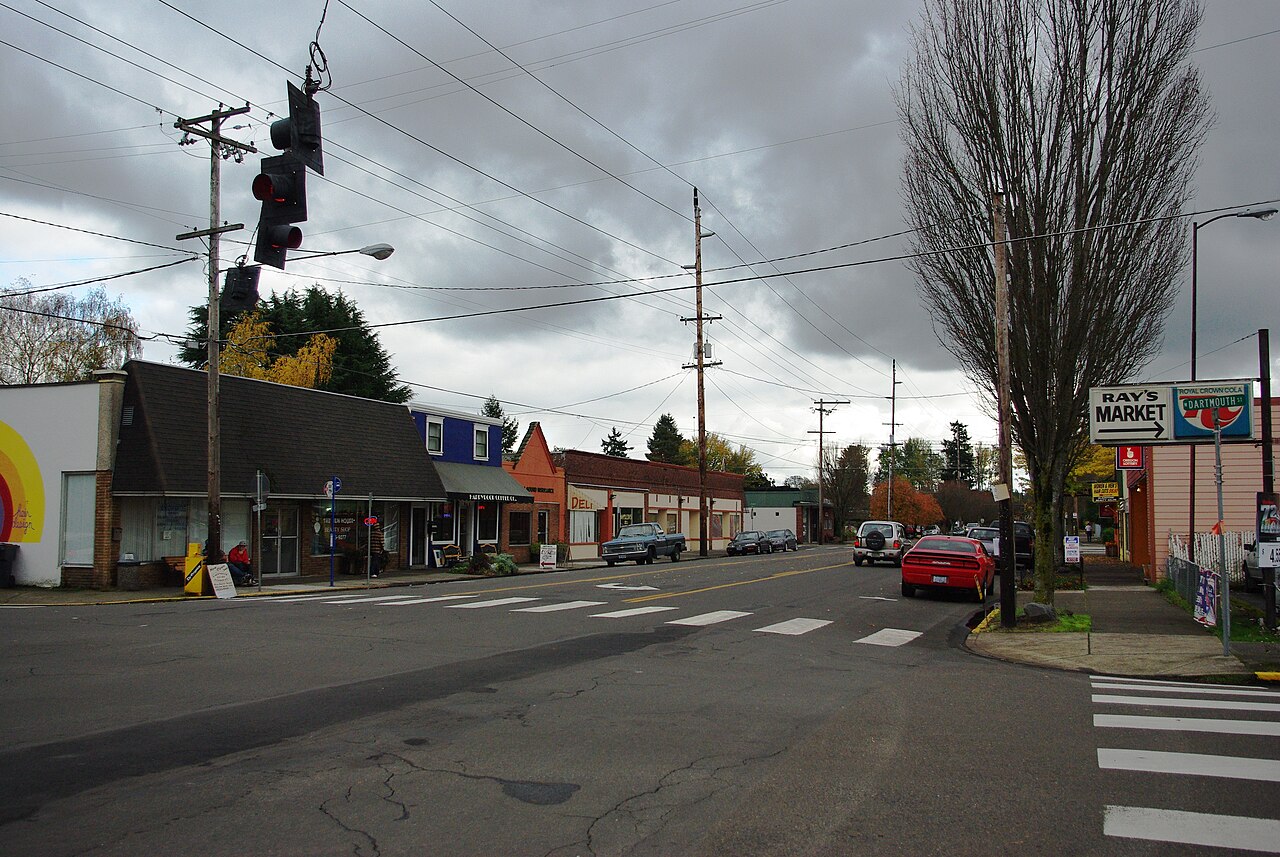
Commercial property in Canby tends to run smaller in both size and price than comparable assets closer to Portland, with a downtown core of service and retail storefronts and a light industrial band nearer the rail line and Highway 99E. Agricultural land bordering the city is not itself like-kind commercial real estate, so identification lists here stay focused on the built commercial stock rather than surrounding farmland.
A seller moving out of a Canby storefront or small warehouse is often replacing lease income and management burden rather than chasing appreciation, which puts a premium on tenant quality over square footage.
The Canby Ferry crossing and the Highway 170 connection to Molalla give the town a modest role as a local service hub for surrounding rural areas, which supports a narrow band of service commercial, feed and farm-supply retail, and small professional office that does not exist in denser Clackamas County submarkets closer to I-205.
Property Types on the Ground
The identification list for a Canby seller usually draws from a short set of realistic replacement categories rather than a long speculative one, since the town's inventory does not support a long, aspirational list the way a larger submarket might.
- Small downtown retail or service storefronts along 99E
- Single-tenant net-lease buildings with a national or regional tenant
- Light industrial or flex buildings near the rail corridor
- Small multifamily or mixed-use property in the same price range
- A DST allocation when the sale proceeds are too small to comfortably carry a second mortgage alone
Running the Three-Property and 200% Tests
Because Canby deal sizes are modest, the three-property rule is usually enough on its own: a seller identifies up to three candidates in writing by day 45 without worrying about the 200% value ceiling. The 200% and 95% rules only come into play if a seller wants to cast a wider net across multiple small properties, which is more common when the replacement strategy involves buying two smaller buildings instead of one.
Qualified Intermediary and Escrow Sequencing
Smaller deal size does not reduce the paperwork. The qualified intermediary still needs the exchange agreement in place before the relinquished property closes, and title and escrow on a Canby replacement purchase should be lined up early since smaller-market title companies may take longer to clear a commercial parcel than a metro-area firm handling exchanges daily.
Boot exposure is often the first thing a Canby seller's tax advisor checks, since a lower-priced replacement property can easily leave cash or debt relief on the table if the identification list is not sized correctly against the relinquished sale price.
Where Canby Fits in a Broader Search
Investors selling in Canby frequently widen their search toward Oregon City or Gladstone for similar-scale commercial stock, or consider a DST position if nothing in south Clackamas County closes the value gap by day 45. The goal is to avoid forcing a purchase simply because the identification window is tight.
Because Canby's own inventory turns over slowly, advisors often recommend starting that wider search before the relinquished sale even closes, so the seller has a realistic sense of what Oregon City or Gladstone offer before the 45-day clock starts running.
Common 1031 Exchange Questions
Does a smaller Canby purchase price change the identification rules?
No. The three-property, 200%, and 95% rules apply the same way regardless of deal size. Smaller Canby transactions usually just find the three-property rule sufficient without needing the value-based alternatives.
What if only one qualifying replacement property exists in Canby by day 45?
The investor is not required to fill three slots. A single identified property is valid as long as it is described specifically and in writing to the qualified intermediary before the deadline, though most advisors recommend at least one backup candidate.
How does the qualified intermediary work with a small-town title company on a Canby deal?
The QI's exchange agreement and the title company's closing instructions need to be coordinated early, since title companies outside the metro core may handle fewer exchange closings and need extra lead time to prepare the settlement statement correctly.
Can farmland bordering Canby's commercial core qualify as like-kind replacement property?
Real property generally qualifies as like-kind to other real property, so agricultural land can technically work, but a seller replacing income-producing commercial real estate should weigh whether raw or farmed land meets their income and management goals before identifying it.
What creates constructive receipt risk in a smaller Canby exchange?
The same triggers apply regardless of deal size: any direct access to sale proceeds, an escrow instruction that lets the seller reach the funds, or an early release of money before the replacement closing can all disqualify the exchange, which is why the qualified intermediary controls the account throughout.
Does a Canby exchange need a different qualified intermediary than a metro-area deal?
No. The same qualified intermediary requirements apply regardless of city, though sellers sometimes prefer a QI already familiar with south Clackamas County title companies to keep the closing schedule predictable.