Troutdale sits at the eastern edge of Multnomah County, where I-84 leaves the metro and heads into the Columbia River Gorge. That position shapes the local asset mix: retail clustered near the interstate interchange, industrial and flex space tied to Troutdale Airport, and a small historic downtown separate from both.
I-84 Interchange Retail and the Outlet Center
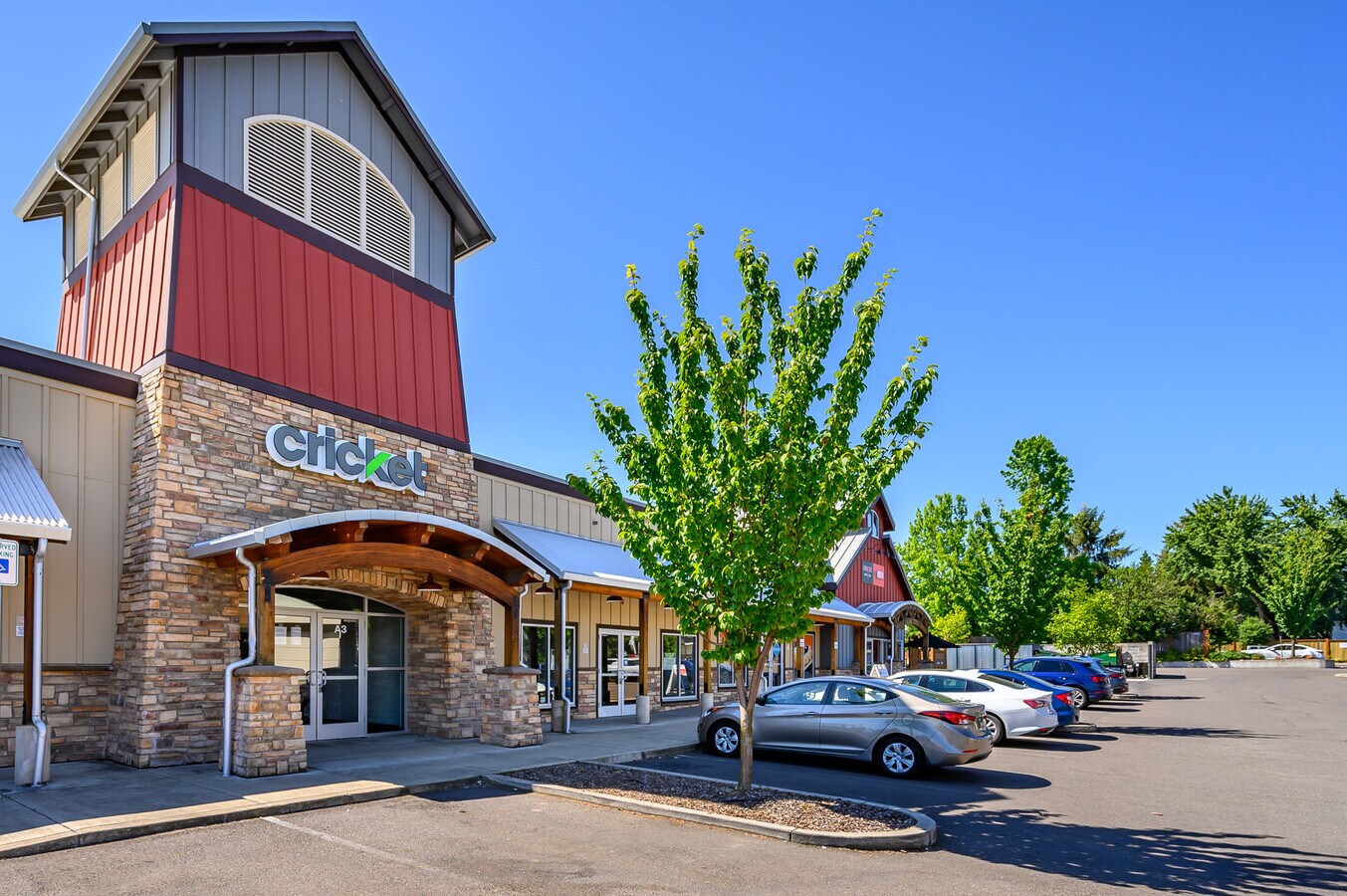
The Columbia Gorge Premium Outlets sit at the Troutdale interchange and anchor a retail corridor of big-box and pad-site space built to capture both local traffic and travelers heading toward the Gorge. This corridor trades more like a regional retail node than a neighborhood shopping district, which affects lease structure and tenant type.
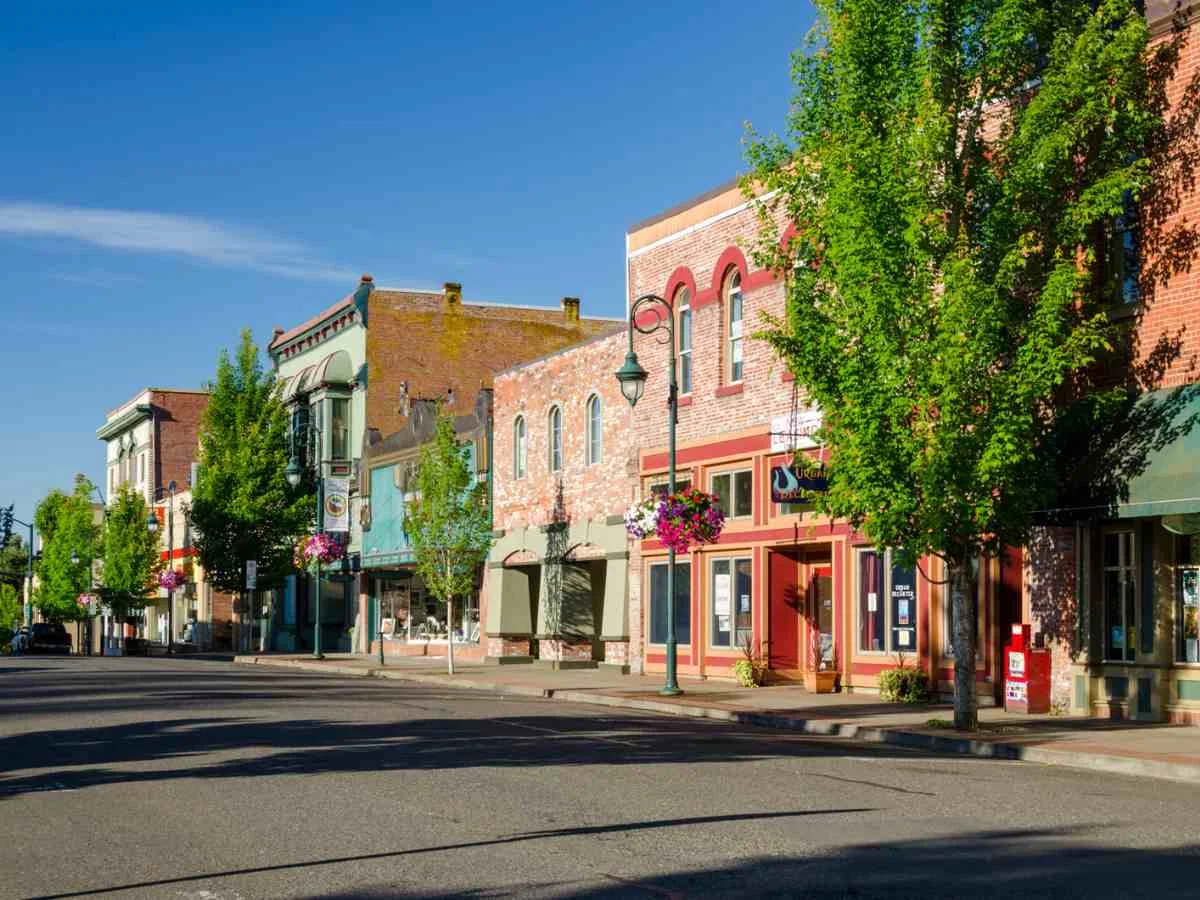
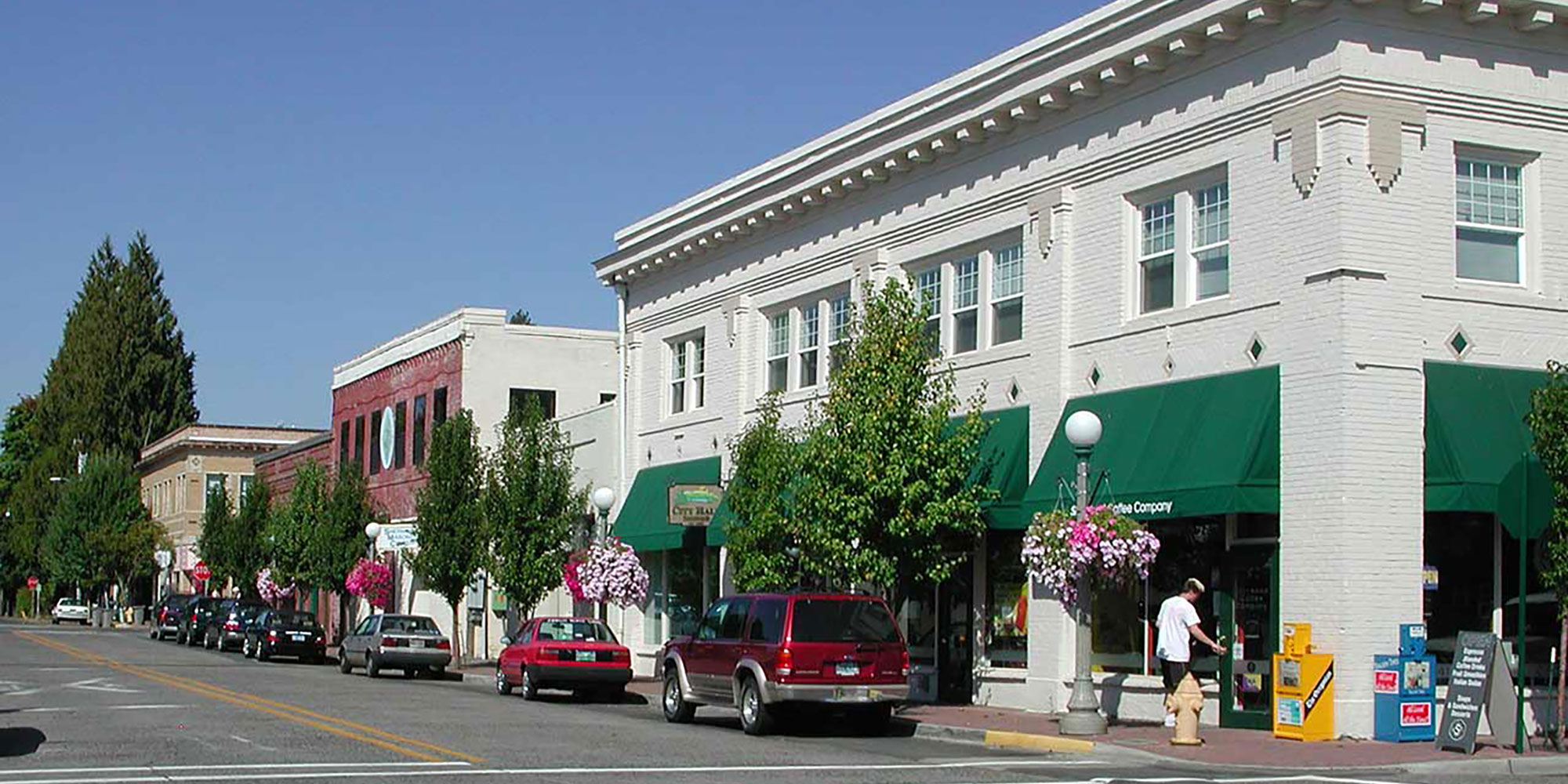
Downtown Troutdale, along Halsey and Buxton, holds a smaller and slower-moving retail stock, closer in character to Sherwood's Old Town or Oregon City's historic core than to the interchange-area centers.
Troutdale Airport and Industrial Land
Troutdale Airport, a general-aviation field, sits alongside industrial and flex buildings along NE Graham Road and 238th, serving light manufacturing, distribution, and aviation-adjacent tenants. Access to I-84 makes this corridor useful for users who need highway frontage without downtown Portland's congestion or pricing.
Matching Value Across Retail and Industrial
Full deferral requires replacement value equal to or greater than the relinquished property's sale price and replacement debt equal to or greater than the debt retired at closing. Troutdale's outlet-adjacent retail tends to price higher per square foot than its industrial stock, so an investor exchanging out of a larger metro asset may need to combine an interchange-area retail pad with airport-corridor industrial space to hit the target number.
- Retail pads near the Columbia Gorge Premium Outlets interchange
- Light-industrial and flex space near Troutdale Airport
- Small downtown retail along Halsey and Buxton
- Distribution buildings along NE Graham Road and 238th
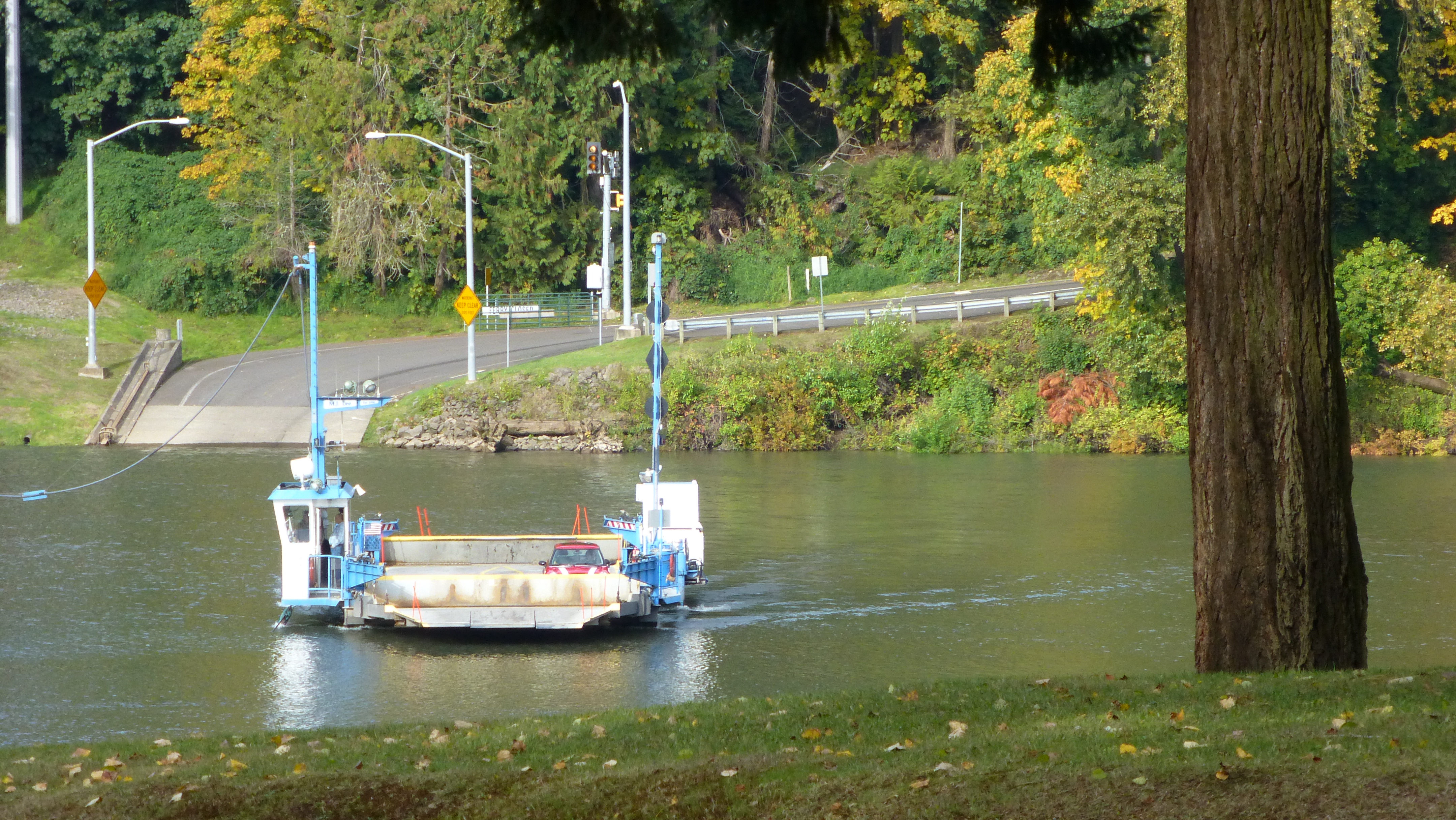
- Multifamily near the Sandy River confluence area
Using the Identification Rules for a Two-Corridor City
A written identification can name up to three properties without regard to value, or more than three if the combined value stays under 200 percent of the relinquished property's value. That flexibility supports pairing a retail asset near the interchange with an industrial building near the airport on the same list, rather than forcing a choice between the two.
Diligence Specific to a Gorge-Adjacent Market
Before Day 45, confirm current leases and T12 financials, and check flood-zone status for any parcel near the Sandy River or Columbia River. Truck access and turning radius on industrial buildings near the airport corridor should be confirmed directly, and lender terms on aviation-adjacent collateral should be pre-flighted since it can underwrite differently than a standard warehouse.
Reverse Exchange Timing Near a Seasonal Retail Corridor
Retail near the Columbia Gorge Premium Outlets can see stronger buyer interest during peak travel-season months, which sometimes means a strong replacement candidate surfaces before a taxpayer's relinquished property has actually closed. A reverse exchange lets the taxpayer acquire that property first through an exchange accommodation titleholder and complete the sale of the relinquished property afterward, but the structure has to be set up with the qualified intermediary before any purchase agreement is signed.
Because reverse exchanges require bridge financing or all-cash capacity while the relinquished sale is still pending, an investor considering this route in Troutdale should confirm financing capacity well before a seasonal retail listing goes under contract, not after.
Common 1031 Exchange Questions
Does the Columbia Gorge Premium Outlets area affect retail pricing in Troutdale?
Yes. Retail near the I-84 interchange and outlet center trades more like a regional retail node than a neighborhood corridor, which tends to price it higher per square foot than downtown Troutdale's smaller storefront stock.
Is Troutdale Airport open to commercial industrial tenants nearby?
The airport itself is a general-aviation field, but the surrounding NE Graham Road and 238th corridor holds industrial and flex buildings serving light manufacturing, distribution, and aviation-adjacent tenants, separate from the airport operations.
Should flood zone status be checked before identifying a Troutdale property?
Yes, particularly for parcels near the Sandy River or Columbia River confluence area, where flood-zone designation can affect both insurance cost and lender underwriting.
Can a retail pad near the outlet center be combined with airport-corridor industrial on one identification?
Yes. A written identification can name up to three properties regardless of value, so combining a higher-priced retail asset with lower-priced industrial space is a common way to reach a target replacement value.
What financing considerations apply to Troutdale industrial collateral?
Buildings near the airport corridor can involve aviation-adjacent zoning or specialized improvements, so getting preliminary lender terms before identification helps confirm the financing will support the intended purchase price.
How does downtown Troutdale's small retail stock compare with the interchange corridor?
Downtown parcels along Halsey and Buxton are smaller, slower-turnover storefronts serving local residents, while interchange-area retail near the outlet center trades on regional visitor traffic, so the two segments should be evaluated as separate markets rather than treated as interchangeable.
Can Troutdale industrial land be paired with a downtown retail parcel on the same identification?
Yes. A written identification can name up to three properties regardless of value, which is a practical way to combine a lower-priced downtown retail unit with a higher-value airport-corridor industrial building to reach a target replacement figure.
Is proximity to the Columbia River Gorge a factor lenders weigh on Troutdale collateral?
Lenders generally focus on lease income, tenant quality, and flood-zone status rather than scenic proximity itself, so a Gorge-adjacent location should be treated as a leasing and marketing factor rather than an underwriting one.